Table Of Contents
Ensuring Proper Installation Practices
Proper installation practices are crucial for the functionality and safety of chimneys. Adhering to guidelines such as the 3:2-10 rule ensures that the chimney is installed at the correct height and distance from potential obstructions. This rule stipulates that for every two units of height, a chimney needs to be set back at least ten units from any point of obstruction. By following these specifications, chimney professionals can help prevent issues such as downdrafts and smoke buildup inside the home.
Homeowners should prioritize finding skilled professionals for installation to guarantee compliance with these essential standards. Searching for “chimney repair near me” can yield various expert options dedicated to maintaining safety and efficiency in heating systems. Proper installation lays the foundation for effective chimney performance, reducing long-term maintenance needs and potential hazards associated with poorly designed structures.
Compliance with Building Codes
Compliance with building codes is essential for ensuring the safety and efficiency of chimney systems. These regulations are designed to minimize hazards associated with improper installation and maintenance. By adhering to the 3:2-10 rule, homeowners can better align their chimney structures with local codes, which often specify height requirements and clearances. This alignment not only promotes safe operations but also helps in maintaining home insurance and meeting resale conditions.
When homeowners search for “chimney repair near me,” they should ensure that the service provider is knowledgeable about local building codes. Qualified technicians can assess existing installations and suggest necessary adjustments to comply with these requirements. This proactive approach not only enhances safety standards but also prevents potential legal ramifications that may arise from non-compliance.
Common Problems Linked to Ignoring the 3
Neglecting the 3:2-10 rule can lead to serious issues in a home’s heating system. A chimney that does not meet these specifications may have insufficient clearance from roofs and neighboring structures. This can result in diminished draft, which might cause harmful gases to enter the living space, creating potential health risks for residents.
Homeowners often underestimate the importance of proper chimney maintenance. Issues such as creosote buildup, improper ventilation, and structural instability can arise when guidelines are ignored. These problems may necessitate expensive chimney repairs. Searching for “chimney repair near me” becomes essential as homeowners realize they need professional assistance to ensure safety and functionality.
Potential Hazards and Risks
Ignoring the 3:2-10 rule can lead to significant hazards, particularly in the form of improper ventilation. A chimney that does not adhere to this standard may experience inadequate airflow, resulting in hazardous fumes, including carbon monoxide, seeping into living spaces. Homeowners may not immediately recognize the signs of such issues, increasing the risk of serious health concerns.
Additionally, neglecting this rule could contribute to structural damage over time. A malfunctioning chimney may lead to excess creosote buildup, increasing the likelihood of chimney fires. Regular professional evaluation ensures compliance with the 3:2-10 rule. Homeowners searching for “chimney repair near me” should prioritize timely inspections to safeguard their homes and loved ones.
Maintenance Tips for Homeowners
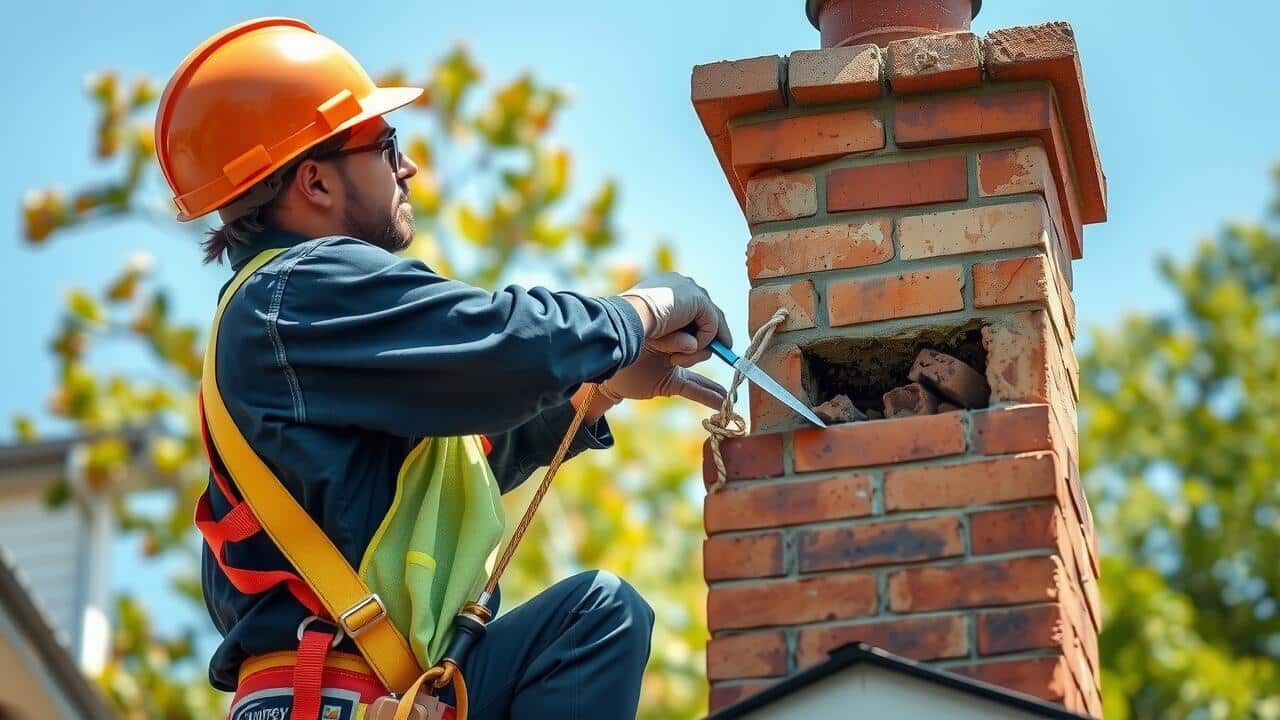
Regular inspections of your chimney are essential for ensuring its functionality and safety. Homeowners should make it a habit to check for signs of wear and tear, such as cracks or crumbling masonry. Schedule a professional inspection at least once a year to identify potential issues early. Keeping the chimney clean and free from soot buildup also promotes better airflow and reduces fire hazards.
When problems arise, it’s crucial to seek prompt assistance. Homeowners can search for “Chimney repair near me” to find qualified professionals in their area. Addressing repairs quickly can prevent more extensive damage and ensure that the chimney continues to operate safely. Proper maintenance not only extends the lifespan of the chimney but also enhances the overall efficiency of the home heating system.
Regular Inspections and Repairs
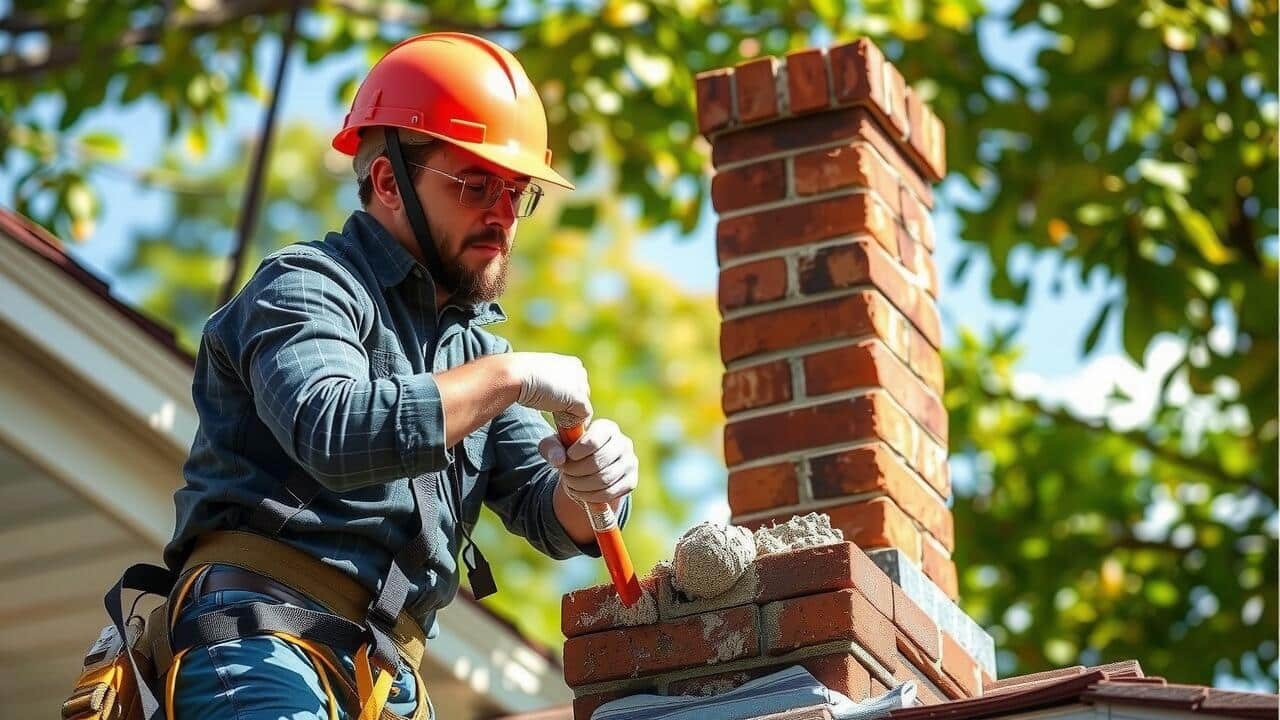
Regular inspections of your chimney are crucial for maintaining safety and efficiency in your home heating system. During these inspections, professionals check for issues such as creosote buildup, structural damage, and any blockages that could impact airflow. Homeowners should arrange for these assessments annually, especially before the heating season begins. If you notice signs of wear or damage, searching for “chimney repair near me” can help you find qualified technicians in your area who can address these concerns promptly.
In addition to routine inspections, timely repairs are essential to prevent minor issues from escalating into costly problems. Small cracks or loose bricks can often be repaired easily, but neglecting these signs can lead to more significant structural damage and even pose safety hazards. Homeowners should be proactive in addressing any concerns that arise. Seeking out local experts by searching for “chimney repair near me” ensures that you receive the appropriate services to keep your chimney functioning safely and efficiently.
FAQS
What is the 3:2-10 rule in chimney maintenance?
The 3:2-10 rule is a guideline that specifies the proper clearance and height requirements for chimney systems. It indicates that the chimney must extend at least three feet above the highest point of the roof, two feet above the highest point of any structure within ten feet, ensuring safe and efficient venting.
Why is the 3:2-10 rule important for safety?
The 3:2-10 rule is crucial for safety as it helps prevent dangerous situations such as chimney fires and carbon monoxide buildup. By ensuring that the chimney is properly positioned, it promotes effective drafting and minimizes the risk of hazardous gases entering the home.
What can happen if the 3:2-10 rule is ignored?
Ignoring the 3:2-10 rule can lead to several issues, including poor ventilation, increased risk of chimney fires, and potential health hazards from carbon monoxide exposure. It may also result in costly repairs and can compromise the efficiency of your heating system.
How often should homeowners inspect their chimneys?
Homeowners should ideally inspect their chimneys at least once a year, especially before the heating season begins. Regular inspections help identify potential issues early, ensuring the chimney remains safe and functional.
What maintenance tips can homeowners follow to comply with the 3:2-10 rule?
Homeowners should ensure that their chimney is built to the specified heights, schedule regular inspections with qualified professionals, clean the chimney to remove soot buildup, and address any repairs promptly to maintain compliance with the 3:2-10 rule.