Table Of Contents
Deep Cleaning Methods
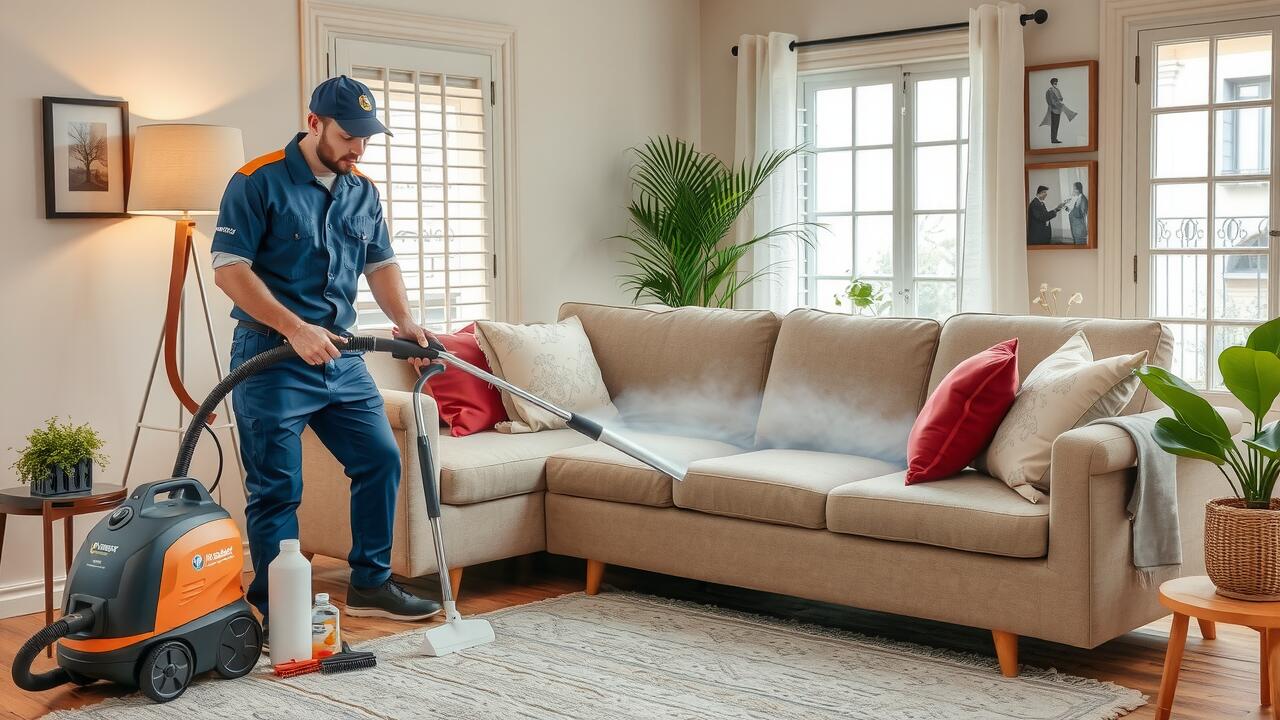
When it comes to deep cleaning upholstery fabric, several methods can effectively restore its original look and feel. Steam cleaning is a popular option; it utilizes high-temperature steam to penetrate the fabric, loosening dirt and grime. This method is particularly effective for heavily soiled items, as heat helps to break down stubborn stains. Additionally, many steam cleaners come with attachments specifically designed for upholstery, ensuring thorough coverage.
Another approach for upholstery cleaning in homes is using a foam cleaner. This type of cleaner can be applied directly to the fabric, allowing it to work into the fibers. After the foam has dried, it can be vacuumed away, taking with it dirt and allergens trapped within. This method is convenient for regular maintenance and is especially useful for cleaning delicate fabrics that may not withstand harsher methods like steam cleaning.
Various Approaches for Comprehensive Cleaning
When considering various approaches for comprehensive cleaning, one effective method is steam cleaning. This technique utilizes high-temperature steam to penetrate fabric fibers, loosening dirt and grime. The heat also helps to kill off bacteria and allergens, making it a beneficial option for those with sensitivities. Upholstery cleaning in this manner often requires specialized equipment, but the results can leave your furniture looking rejuvenated and fresh.
Another option is using a foam cleaner specifically designed for upholstery. This method involves applying the foam onto the fabric, allowing it to break down stains and dirt. After letting the foam sit for a specified time, it can be wiped away with a damp cloth. This approach is ideal for routine maintenance and addressing minor stains quickly. Upholstery cleaning in this way is not only convenient but also an effective way to prolong the life of your furniture.
Using Professional Services
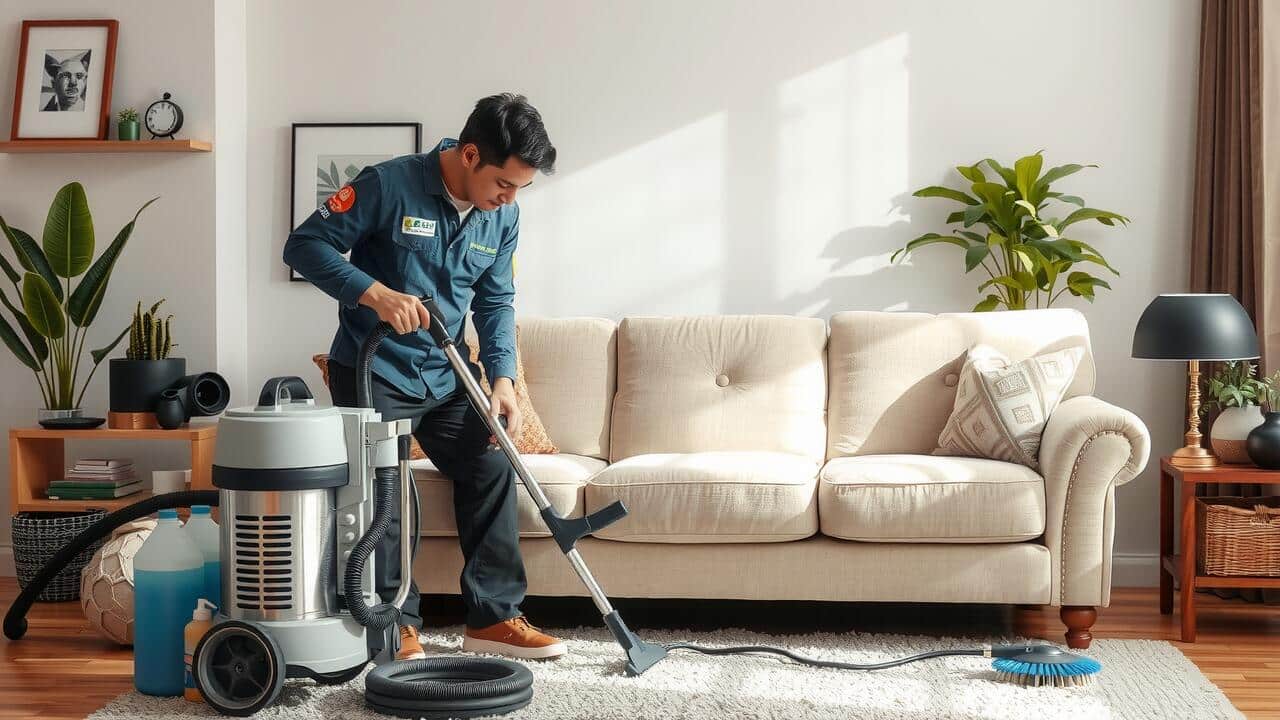
When upholstery cleaning in a home becomes overwhelming, enlisting professional services can be a wise decision. Trained technicians possess the skills and equipment necessary to tackle even the most stubborn stains and odors. These experts can identify the right cleaning products and methods suited for various fabric types, ensuring a thorough and safe clean that DIY methods might not achieve.
Choosing to hire professionals also saves time and effort. Homeowners can avoid the hassle of moving heavy furniture and dealing with drying times afterward. Professional upholstery cleaning in a residential setting not only enhances the appearance of the furniture but can also extend its lifespan. Regular maintenance by experts can lead to better overall indoor air quality and a more inviting living space.
When to Consider Hiring Upholstery Cleaning Experts
Upholstery cleaning in residential settings can often be a DIY task. However, certain situations warrant professional intervention. If your furniture has suffered from significant stains, deep-set allergens, or an overall lack of luster, experts can provide specialized treatments that go beyond surface cleaning. Their knowledge of various fabrics ensures the right methods are applied, protecting the integrity of your upholstery while bringing it back to life.
Additionally, if you have pets or young children, frequent professional cleanings may be beneficial. These experts have access to industrial-grade tools and solutions that can effectively eliminate pet odors, stubborn stains, and bacteria that simple home techniques may not address. Regular upholstery cleaning in such cases not only enhances the aesthetic appeal of your furniture but also contributes to a healthier living environment.
Preventative Measures for Upholstery Maintenance
Regular maintenance is essential for prolonging the life of upholstery. Dust and spills can accumulate over time, leading to permanent stains or deterioration. A simple routine of vacuuming upholstery fabric helps remove loose particles and prevents dirt from settling deep into the fibers. Using a brush attachment can further enhance this process. Additionally, applying fabric protector products can significantly reduce the risk of stains and make cleanup easier when accidents happen.
Upholstery cleaning in the home can be supplemented by mindful practices that minimize wear and tear. Positioning furniture away from direct sunlight prevents fading and helps maintain vibrant colors. Using throws or slipcovers can protect upholstery from scratches, spills, and pet hair. This not only keeps the fabric in good condition but also allows for easy removal and washing. By taking these preventive measures, the upholstery can remain fresh and appealing for years to come.
Tips to Keep Upholstery Looking Fresh
Regular maintenance can significantly enhance the lifespan and appearance of your upholstery. Simple practices like vacuuming the fabric weekly can help eliminate dust, dirt, and allergens. Focus on using the appropriate vacuum attachments to reach into crevices and avoid abrasive tools that could damage the fibers. For spills, blotting immediately with a clean cloth can prevent stains from setting in.
For deeper upkeep, upholstery cleaning in your home can be beneficial. Using suitable cleaning solutions and methods can refresh the fabric without the risk of damage. Investigate warranty guidelines for specific cleaning recommendations from manufacturers. This ensures you summon the best approach while maintaining the integrity of your upholstery.
FAQS
What are the best deep cleaning methods for upholstery fabric?
The best deep cleaning methods include steam cleaning, hot water extraction, and using specialized upholstery cleaning solutions. Always check the manufacturer’s care label for specific instructions before proceeding.
How often should I clean my upholstery?
It is recommended to clean upholstery every 6 to 12 months, depending on usage and exposure to dirt and stains. More frequent cleaning may be necessary for homes with pets or young children.
When should I consider hiring professional upholstery cleaning services?
Consider hiring professionals when your upholstery has stubborn stains, odors, or if it hasn’t been cleaned in a long time. Professionals have specialized equipment and expertise to handle deep cleaning effectively.
What preventative measures can I take to maintain my upholstery?
Preventative measures include using fabric protectants, promptly addressing spills and stains, vacuuming regularly, and rotating cushions to ensure even wear.
Can I use regular household cleaners on my upholstery?
It is not advisable to use regular household cleaners, as they may damage the fabric or leave behind residue. Always use products specifically designed for upholstery cleaning and follow the manufacturer’s instructions.