Table Of Contents
Professional vs. DIY Carpet Cleaning
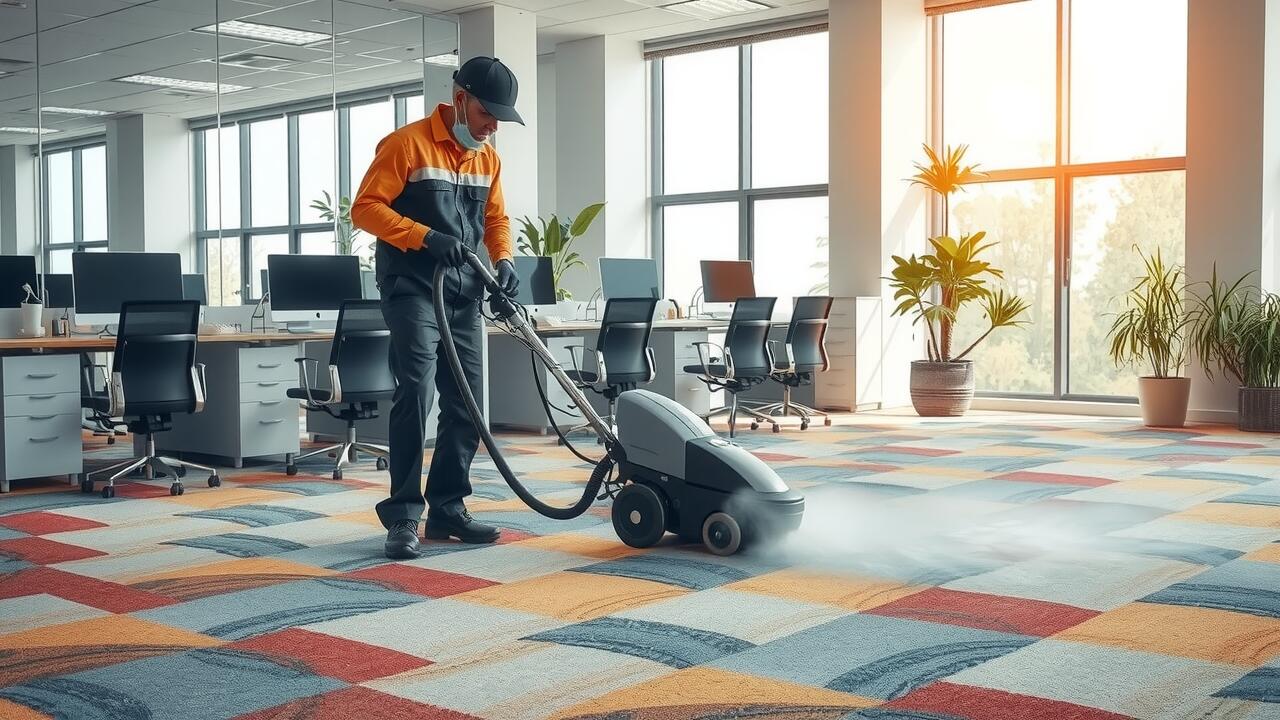
When considering commercial carpet cleaning, both professional services and DIY methods have their advantages and disadvantages. Professional cleaning often provides deeper cleaning effects due to the use of specialized equipment and expertise in tackling stubborn stains or heavily soiled areas. These services typically offer a comprehensive approach, including methods such as steam cleaning and stain protection, aimed at prolonging the life of the carpet.
On the other hand, DIY carpet cleaning can be appealing for its cost-effectiveness and flexibility. Business owners can choose from a variety of rental machines or even purchase cleaning products tailored for commercial use. However, without the right knowledge or equipment, achieving a result that matches professional standards can be challenging. The success of DIY cleaning largely depends on the type of stains present and the specific cleaning method employed.
When to Hire a Professional Service
When dealing with heavily stained or high-traffic areas, it may be time to consider professional services for commercial carpet cleaning. Professionals have access to industrial-grade equipment and specialized solutions that can remove deeply embedded dirt and allergens. This expertise ensures that carpets receive thorough cleaning without damage, maintaining their appearance and longevity.
Additionally, if your facility hosts events or experiences sudden spills, immediate professional intervention may be necessary. Carpets in commercial settings often require quick responses to maintain a clean and inviting atmosphere. Professionals can assess the situation, choose the right cleaning method, and execute it efficiently, helping businesses avoid potential disruption and ensuring customers have a positive experience.
Essential Tools for Carpet Cleaning
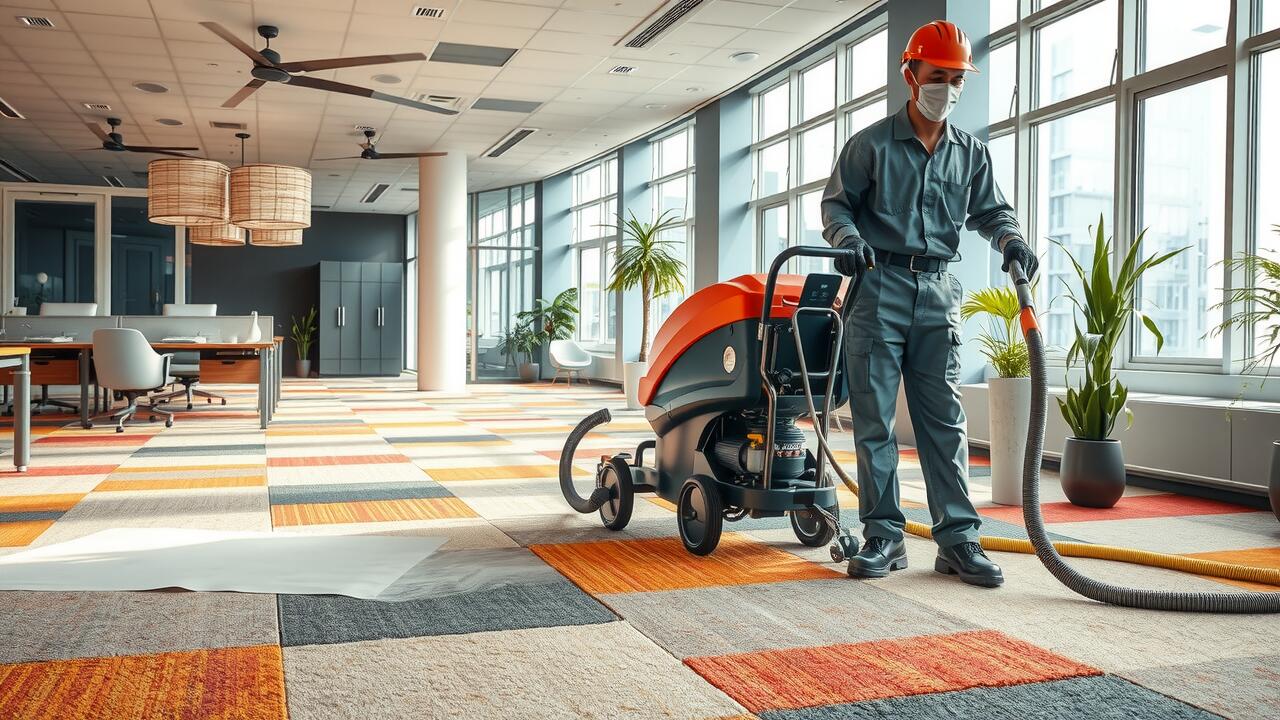
When it comes to commercial carpet cleaning, having the right tools is essential for achieving optimal results. A high-quality vacuum cleaner designed specifically for carpets can effectively remove dirt and debris. Additionally, a carpet shampooer or extractor provides deep cleaning power, capable of tackling tough stains and embedded grime. These machines often use hot water extraction methods, which can significantly improve the cleanliness of commercial spaces.
In addition to machines, various cleaning solutions and agents are crucial for successful carpet maintenance. A pH-balanced carpet cleaner prevents damage to fibers while effectively removing stains. Spot cleaning solutions are also necessary for addressing specific issues as they arise. Moreover, a groomer or carpet rake can help refresh carpet texture and enhance appearance after cleaning. Each tool plays a vital role in ensuring that commercial carpet cleaning is both efficient and effective.
Must-Have Equipment for Effective Cleaning
Investing in the right equipment is essential for effective commercial carpet cleaning. A professional-grade carpet cleaner typically tops the list, featuring powerful suction and heating capabilities that help remove deep-seated dirt and stains. Additionally, a high-quality vacuum cleaner with suitable attachments can ensure regular maintenance by picking up loose debris and dust, which prevents wear and tear on the carpet fibers.
Along with a carpet cleaner and vacuum, consider adding specialized tools such as spot cleaners and extraction wands. Spot cleaners target stubborn stains, while extraction wands help in reaching tight corners and edges. Alongside these tools, a reliable carpet rake can lift the fibers, restoring the carpet’s appearance after cleaning. Together, this equipment enhances the effectiveness of commercial carpet cleaning and prolongs the life of carpets in high-traffic areas.
Preparing the Area for Cleaning
Prior to initiating commercial carpet cleaning, it is essential to prepare the area adequately. Start by removing any furniture or items that may obstruct access to the carpet. This step not only allows for a thorough clean but also prevents any damage to the furniture during the process. Placing heavier items on protective pads or covering them with plastic can further safeguard against moisture and cleaning products.
Once the space is cleared, it is important to address any potential hazards. Ensure that electrical cords are safely tucked away and that the floor is dry to prevent slips. Cover any adjacent surfaces that could come into contact with cleaning solutions. By taking these precautions, you create a safer environment that facilitates effective commercial carpet cleaning while maintaining the integrity of both the carpet and surrounding areas.
Steps to Clear and Protect Surrounding Spaces
Before beginning the cleaning process, it is important to clear the area of any furniture or obstacles. Move chairs and tables to another room or designate an area where they will not obstruct the carpet cleaning. This allows for a more thorough clean without any hindrances. For larger furniture pieces that are difficult to move, consider using protective coverings such as plastic wrap or furniture sliders to safeguard them against moisture and cleaning agents.
In addition to clearing the area, it is wise to prepare the surrounding spaces. Cover baseboards and nearby surfaces with drop cloths to prevent any accidental spills or splatters during commercial carpet cleaning. Ensure that electrical outlets and cords are also protected, as water and cleaning solutions can pose risks to these elements. Taking these precautions helps maintain the integrity of the property while allowing the cleaning process to proceed smoothly.
FAQS
What are the main differences between professional and DIY carpet cleaning?
Professional carpet cleaning typically involves specialized equipment and expertise that can achieve deeper cleaning compared to DIY methods, which may rely on household products and tools. Professionals also provide a more thorough clean, often using techniques like steam cleaning or hot water extraction.
When should I hire a professional carpet cleaning service?
It’s best to hire a professional service if your carpets have significant stains, have not been cleaned in a long time, or if you require deep cleaning due to high foot traffic. Additionally, for large commercial spaces, professionals can manage the job more efficiently.
What essential tools do I need for cleaning commercial carpets?
Essential tools for cleaning commercial carpets include a commercial-grade vacuum, carpet extractor or steam cleaner, carpet brushes, and spot cleaning solutions. These tools help in maintaining and restoring the carpets’ appearance and hygiene.
How do I prepare the area before cleaning commercial carpets?
To prepare, first, remove all furniture and items from the carpeted area. Then, vacuum the carpets thoroughly to eliminate loose dirt and debris. Protect surrounding spaces by covering them with plastic sheeting or drop cloths to avoid damage during the cleaning process.
How often should commercial carpets be cleaned?
The frequency of cleaning commercial carpets depends on foot traffic and usage. Generally, it’s recommended to clean high-traffic areas every 6 to 12 months, while less-used areas can be cleaned annually or bi-annually. Regular maintenance can prolong the life of the carpets.