Table Of Contents
DIY Cleaning Techniques
Tile and grout cleaning in your home can be achieved effectively using several DIY techniques. One popular method involves combining baking soda and vinegar. This duo creates a powerful cleaning solution that can break down dirt and grime. Sprinkling baking soda over the stained areas followed by spraying vinegar creates a foaming reaction, which helps lift stubborn stains. After letting it sit for a few minutes, scrubbing with a brush can yield impressive results.
Another effective approach is using hydrogen peroxide mixed with dish soap. This combination not only disinfects surfaces but also removes tough stains from both tiles and grout. Apply the mixture generously onto the affected areas and allow it to penetrate for about ten minutes. Following this, a thorough scrub with a brush will help bring your tiles back to their original shine. These DIY techniques make tile and grout cleaning in various spaces manageable and cost-effective.
Step-by-Step Guide to Cleaning Tiles and Grout
Begin by gathering all the necessary supplies such as a mop, bucket, scrub brush, and a suitable cleaning solution designed for tiles and grout. Start by sweeping or vacuuming the area to remove loose debris and dust, which can hinder the cleaning process. Next, mix the cleaning solution with warm water in the bucket according to the manufacturer’s instructions. Dip the mop into the solution and thoroughly wet the tiles, allowing the cleaner to penetrate for a few minutes.
After the cleaner has had time to work, use a scrub brush to tackle stubborn stains and dirt build-up on the grout lines. Work in small sections, applying consistent pressure to ensure effective cleaning. Rinse the area with clean water to remove any remaining cleaning solution and dirt. Regular tile and grout cleaning in high-traffic areas will help maintain the appearance of your surfaces and reduce the buildup of grime over time.
Preventing Future Stains
Keeping tiles and grout looking pristine requires more than just occasional cleaning. Regular maintenance is essential to prevent future stains and buildup. Incorporating mats or rugs in high-traffic areas can minimize dirt contact. Promptly addressing spills prevents them from settling into grout lines, making future cleanings easier and more effective.
Tile and grout cleaning in areas exposed to moisture, such as bathrooms and kitchens, calls for extra attention. Utilizing a grout sealer can create a protective barrier against stains and moisture infiltration. Routine resealing, typically every year or two, ensures that the grout remains resilient against water damage and discoloration. Adopting these practices will maintain the appearance and longevity of your surfaces.
Using Grout Sealer Effectively
Applying grout sealer is a crucial step in maintaining the cleanliness and longevity of your tiled surfaces. First, ensure that the grout is completely dry and clean before application. Choose a high-quality grout sealer that is suitable for your specific type of grout. Use a small brush or applicator bottle to evenly apply the sealer directly over the grout lines. Avoid spilling sealer onto the tiles, as this can create a hazy residue if not cleaned promptly.
After the sealer has been applied, allow it to cure according to the manufacturer’s instructions. This usually involves leaving the area undisturbed for a specific period. Regular inspections and reapplication are necessary to keep the grout protected. Integrating tile and grout cleaning in your routine maintenance ensures that the surfaces not only look their best but also resist future stains and damage.
Tools Needed for Cleaning
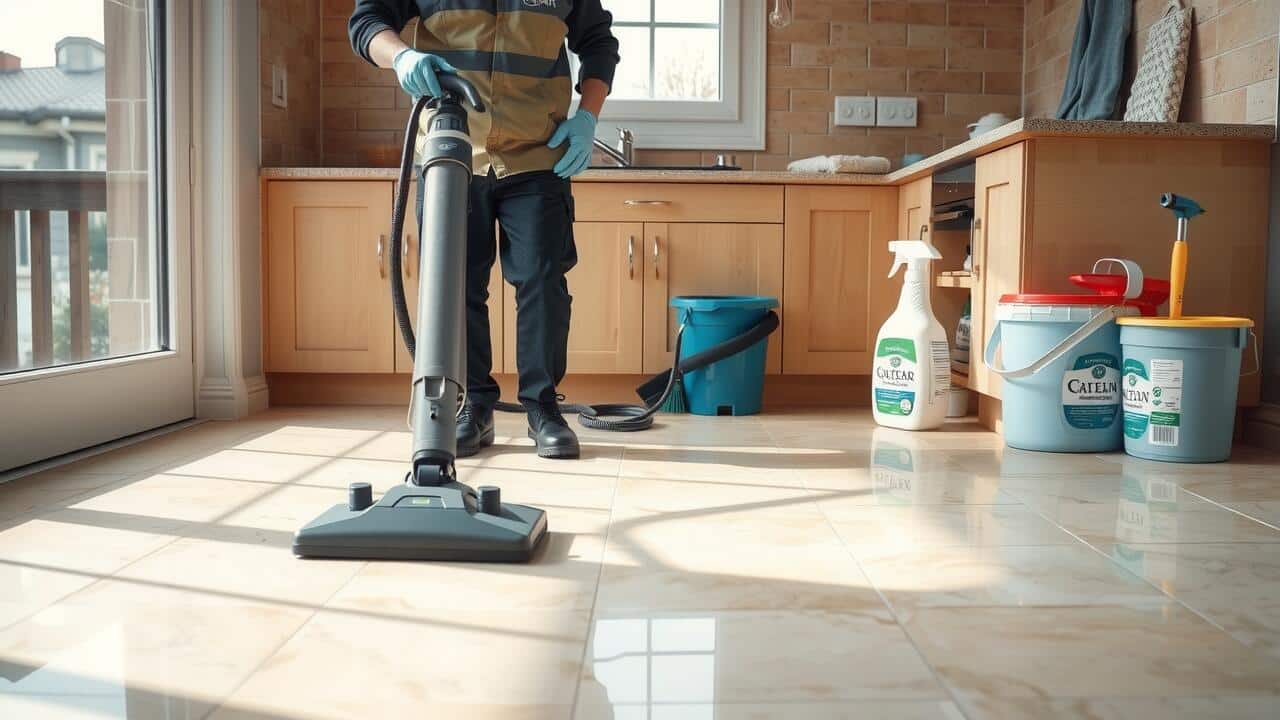
Cleaning tiles and grout effectively requires specific tools to achieve the best results. Start with a stiff-bristled brush for scrubbing the grout lines. This tool will help remove dirt and stains trapped within the porous surface. A mop will also be essential for larger tile areas, especially when using cleaning solutions. Additionally, having a bucket on hand is necessary for mixing cleaning agents or rinsing the mop.
For tile and grout cleaning in high-traffic areas, consider investing in a steam cleaner. Steam cleaners provide deep cleaning by using hot steam to break down tough grime. Microfiber cloths are useful for drying and polishing tiles after cleaning, preventing streaks. Don’t forget about gloves to protect your hands from harsh chemicals. With the right equipment, the cleaning process becomes more efficient and effective.
Essential Tools for Tile and Grout Cleaning
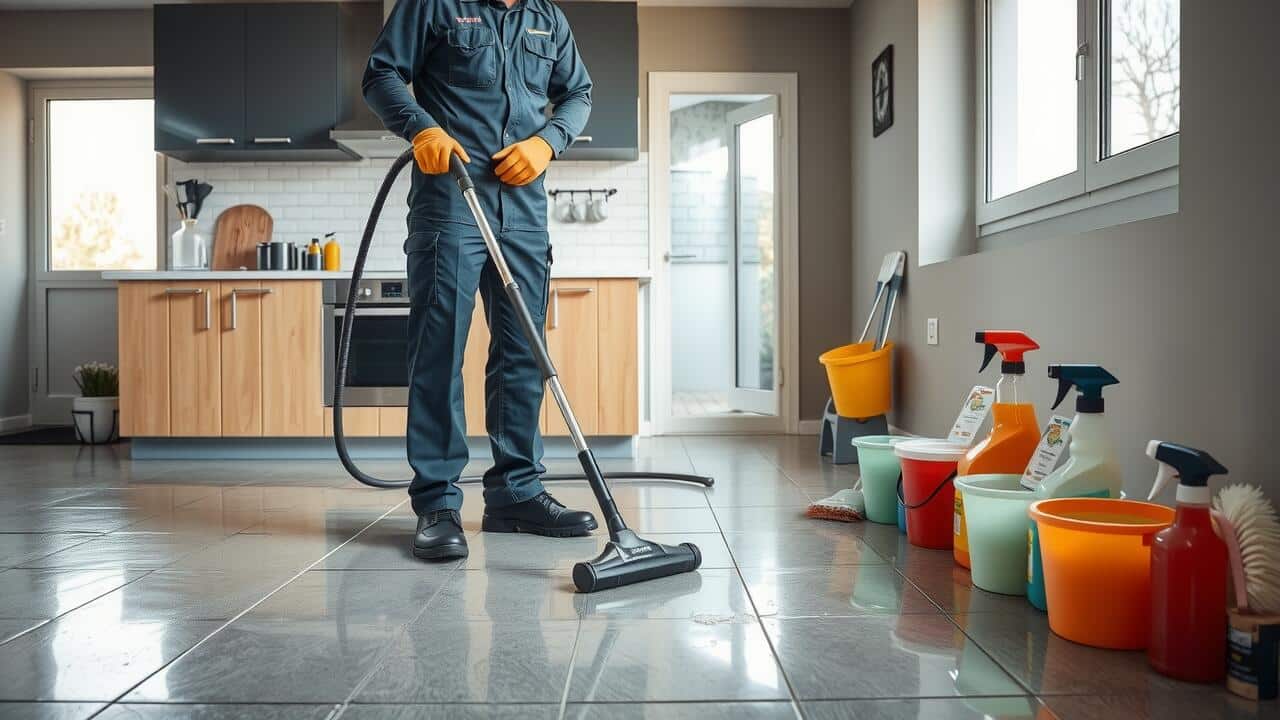
Having the right tools is crucial for effective tile and grout cleaning in any home. Start with a sturdy scrub brush or a toothbrush for getting into the crevices of the grout lines. A sponge or mop will help manage larger tile surfaces efficiently. Microfiber cloths are ideal for wiping down tiles and preventing streaks, while a bucket is essential for holding your cleaning solutions and rinsing greasy residues.
For those particularly tough stains, consider investing in a steam cleaner or a specialized grout cleaning tool. A squeegee can help remove excess water after cleaning, minimizing water spots. Don’t forget to stock up on various cleaning solutions tailored to your specific tile material and grout type, ensuring you tackle different stains and dirt effectively. These tools will make the process of tile and grout cleaning in your home easier and more efficient.
FAQS
What is the best homemade cleaner for tiles and grout?
A mixture of baking soda and vinegar is one of the best homemade cleaners for tiles and grout. Combine equal parts of baking soda and vinegar to create a paste, apply it to the stained areas, let it sit for a few minutes, and then scrub with a brush before rinsing.
How often should I clean my tiles and grout?
It is recommended to clean your tiles and grout at least once a month to prevent dirt buildup and staining. However, high-traffic areas may require more frequent cleaning.
Can I use bleach to clean grout?
Yes, bleach can be used to clean grout, but it should be diluted with water to avoid damaging the grout or surrounding tiles. Always test in a small area first and ensure proper ventilation when using bleach.
What is grout sealer and how does it work?
Grout sealer is a protective coating applied to grout lines to prevent moisture, stains, and dirt from penetrating. It works by creating a barrier that helps keep grout looking clean and new for longer periods.
Are there any tools specifically designed for cleaning tiles and grout?
Yes, there are several specialized tools designed for cleaning tiles and grout, including grout brushes, scrub brushes, and steam cleaners, which can effectively remove stains and dirt without damaging the surfaces.