Table Of Contents
Essential Oils for Enhanced Disinfection
Essential oils have gained popularity not only for their pleasant fragrances but also for their antimicrobial properties. Adding these oils to homemade disinfectants can enhance their effectiveness against pathogens. Oils like tea tree, eucalyptus, and lavender are commonly used due to their natural antiviral, antibacterial, and antifungal qualities. Incorporating these oils into your cleaning routine can provide a dual benefit of sanitization and a refreshing scent that commercial disinfectants often lack.
When searching for “Home Sanitizing near me,” it is vital to consider the aesthetics and effectiveness of your cleaning solutions. Essential oils can be tailored to personal preferences and specific cleaning needs. Their natural origins appeal to those seeking chemical-free alternatives. For best results, combine selected essential oils with a base of vinegar or alcohol to create a powerful disinfectant that not only targets germs but also promotes a cleaner and more inviting atmosphere in your home.
Popular Oils and Their Antimicrobial Properties
Essential oils have gained popularity for their potential antimicrobial properties, making them a great addition to homemade disinfectants. Tea tree oil is one of the most recognized for its broad-spectrum antibacterial and antifungal effects. Its ability to eliminate germs and fungi makes it a valuable ingredient in any sanitizing solution. Lavender oil, known for its pleasant scent, also offers antimicrobial benefits. It not only helps in disinfecting surfaces but can also promote a calming atmosphere in your home.
Another popular option is eucalyptus oil, which possesses strong antiseptic properties and can combat a variety of harmful pathogens. Lemon essential oil, with its high acidity, acts as a natural antibacterial agent while leaving a fresh scent behind. When searching online for “Home Sanitizing near me,” consider these essential oils as effective and aromatic allies in your quest for a clean and safe environment. Each oil contributes unique advantages, enhancing the overall efficacy of your homemade disinfectant solutions.
Tips for Effectively Using Homemade Disinfectants
Using homemade disinfectants effectively requires proper application techniques to maximize their germ-fighting potential. Begin by ensuring surfaces are clear of dirt and debris, as this allows the disinfectant to work more effectively. Spray a generous amount of the solution on the surface you wish to disinfect, ensuring it is covered completely. Allow the mixture to sit for the recommended contact time, typically ranging from a few minutes to ten, depending on the specific recipe and the level of disinfection required.
For best results, regularly check for any updates on efficacy for different surfaces or pathogens. Always test a small area first to ensure the disinfectant does not damage the material. If you feel overwhelmed or lack the time for thorough cleaning, searching for “Home Sanitizing near me” can lead to professional services that ensure your space is sanitized according to industry standards.
Best Practices for Application
For optimal effectiveness, applying homemade disinfectants requires careful attention to surface preparation and application methods. Begin by clearing the area of visible dirt and debris. This initial step ensures that the disinfectant can work effectively without being hindered by physical obstructions. Once surfaces are clean, spray or apply the homemade solution generously, ensuring full coverage. Pay special attention to high-touch areas, where bacteria and viruses are more likely to accumulate.
Allow the disinfectant to sit on surfaces for a recommended dwell time, which varies depending on the ingredients used. This contact time allows the active components to penetrate and eliminate pathogens effectively. For those exploring “Home Sanitizing near me”, remember to follow the instructions specific to your homemade blend to ensure safety and efficacy. After the dwell time, wipe surfaces with a clean cloth or paper towel to remove any residue, maintaining a sanitized environment.
Safety Precautions When Making Disinfectants
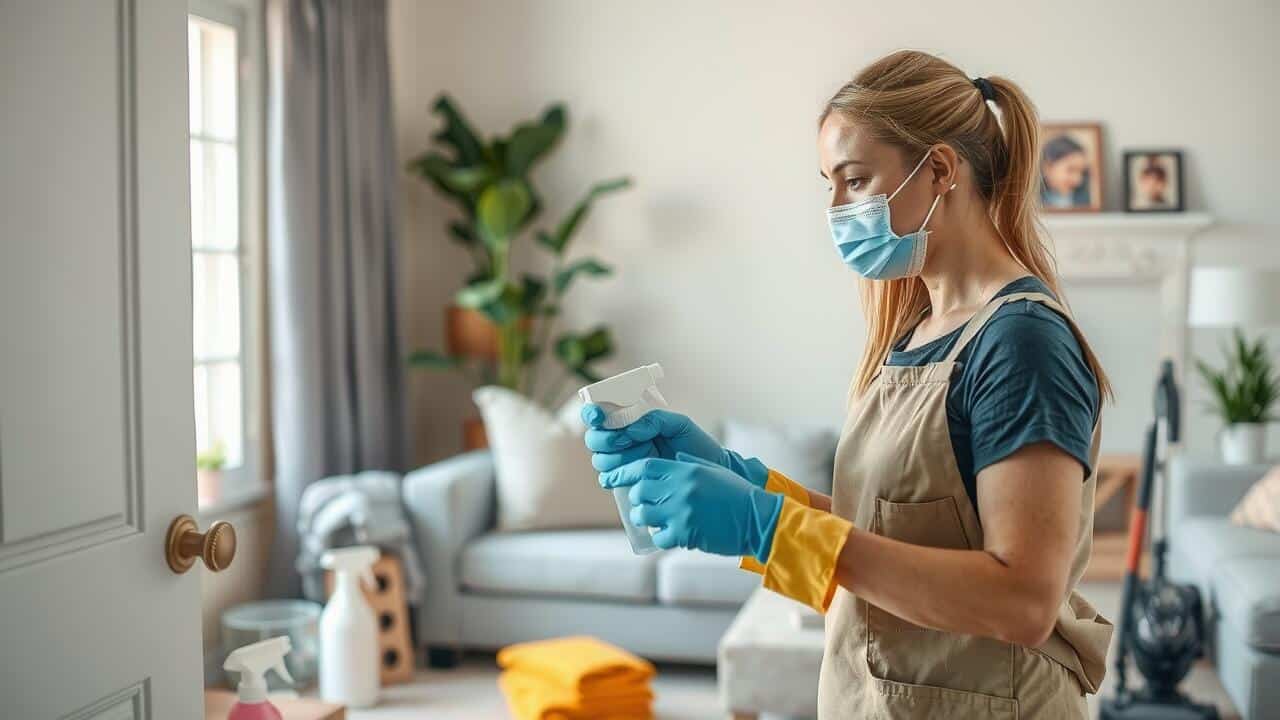
When preparing homemade disinfectants, safety should be a top priority. Ensure you wear protective gloves and goggles to shield your skin and eyes from any powerful ingredients. Additionally, work in a well-ventilated area to minimize inhalation of strong scents or fumes. This is particularly important if your disinfectant contains essential oils or vinegar, which can be irritating when inhaled in large quantities.
It is also essential to properly label any containers used to store homemade disinfectants. This helps prevent accidental misuse by children or pets. Always keep these products out of reach of youngsters and consider searching for “Home Sanitizing near me” for professional services if you prefer to avoid DIY solutions. Being aware of the materials used can prevent hazardous reactions.
Guidelines for Safe Handling
When creating homemade disinfectants, safety should always be a top priority. Ensure you work in a well-ventilated area to minimize exposure to fumes from strong ingredients. Wearing gloves is advisable to protect your skin, especially when using essential oils or other potent substances. Do not mix different types of cleaning chemicals, as dangerous reactions can occur.
In addition to personal protective measures, proper storage of your disinfectants is essential. Use clearly labeled containers to prevent accidental misuse. Keep these solutions out of reach of children and pets to avoid potential hazards. If you are unsure about the effectiveness of your homemade disinfectant, consider searching “Home Sanitizing near me” for professional cleaning services.
FAQS
What are the most effective ingredients for a homemade disinfectant?
The most effective ingredients for a homemade disinfectant include isopropyl alcohol, vinegar, hydrogen peroxide, and essential oils such as tea tree oil and lavender oil, which have natural antimicrobial properties.
Can homemade disinfectants be as effective as store-bought ones?
Yes, homemade disinfectants can be as effective as store-bought options when made with the right ingredients and used properly. However, it’s important to follow proper recipes and application methods to ensure effectiveness.
How should I store my homemade disinfectant?
Homemade disinfectants should be stored in a cool, dry place, preferably in a dark bottle to protect the active ingredients from light. Always label the container clearly and keep it out of reach of children.
Are there any safety precautions I should take when making homemade disinfectants?
Yes, it is essential to wear gloves and goggles when handling strong ingredients like isopropyl alcohol and hydrogen peroxide. Ensure that your workspace is well-ventilated, and avoid mixing different cleaning agents, as this can produce harmful fumes.
How often should I use homemade disinfectants for optimal effectiveness?
For optimal effectiveness, it is recommended to use homemade disinfectants regularly on high-touch surfaces, especially during cold and flu seasons or during outbreaks of contagious illnesses.