Table Of Contents
Deodorization Methods
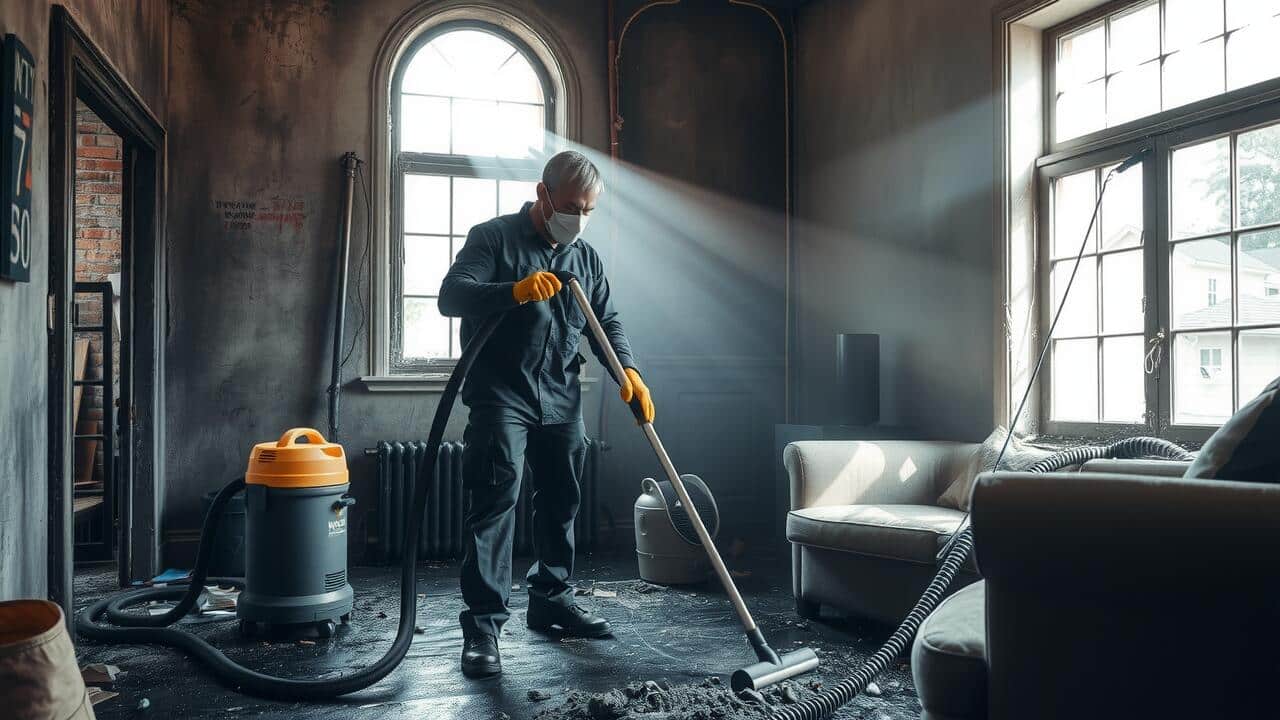
Deodorization methods play a crucial role in fire damage restoration in homes and businesses. After a fire, remnants of smoke and soot can linger, resulting in unpleasant odors that permeate various surfaces. Professional restorers employ a combination of techniques to neutralize these odors, ensuring that affected areas return to a fresh, livable state. Common methods include ozone treatments, thermal fogging, and air scrubbing, which work to remove airborne particles and odors effectively.
The success of deodorization often depends on the extent of the damage and the materials affected. Different substances absorb odors at varying rates, complicating the restoration process. Fire damage restoration in structures with porous materials, like carpets and upholstery, may require specialized cleaning agents and procedures to eliminate stubborn smells. Consequently, comprehensive assessments are essential to determine the most effective deodorization strategy tailored to the specific needs of each space.
Eliminating Lingering Odors
Lingering odors after a fire can be one of the most challenging aspects to address during the restoration process. Fire damage restoration in a home requires thorough deodorization techniques to effectively eliminate these smells. Powerful odors can penetrate various materials, including walls, furniture, and carpets. Specialized equipment and cleaning solutions play a crucial role in neutralizing these unpleasant scents to restore a fresh atmosphere.
Different methods are employed to tackle persistent odors. Thermal fogging and ozone treatments are common practices that help eliminate smoke odors from affected spaces. Fire damage restoration in commercial properties may require additional considerations due to larger areas and more complex ventilation systems. Professional restorers utilize their expertise to identify the most effective approach for each situation, ensuring that all lingering smells are eradicated.
Water Damage Mitigation
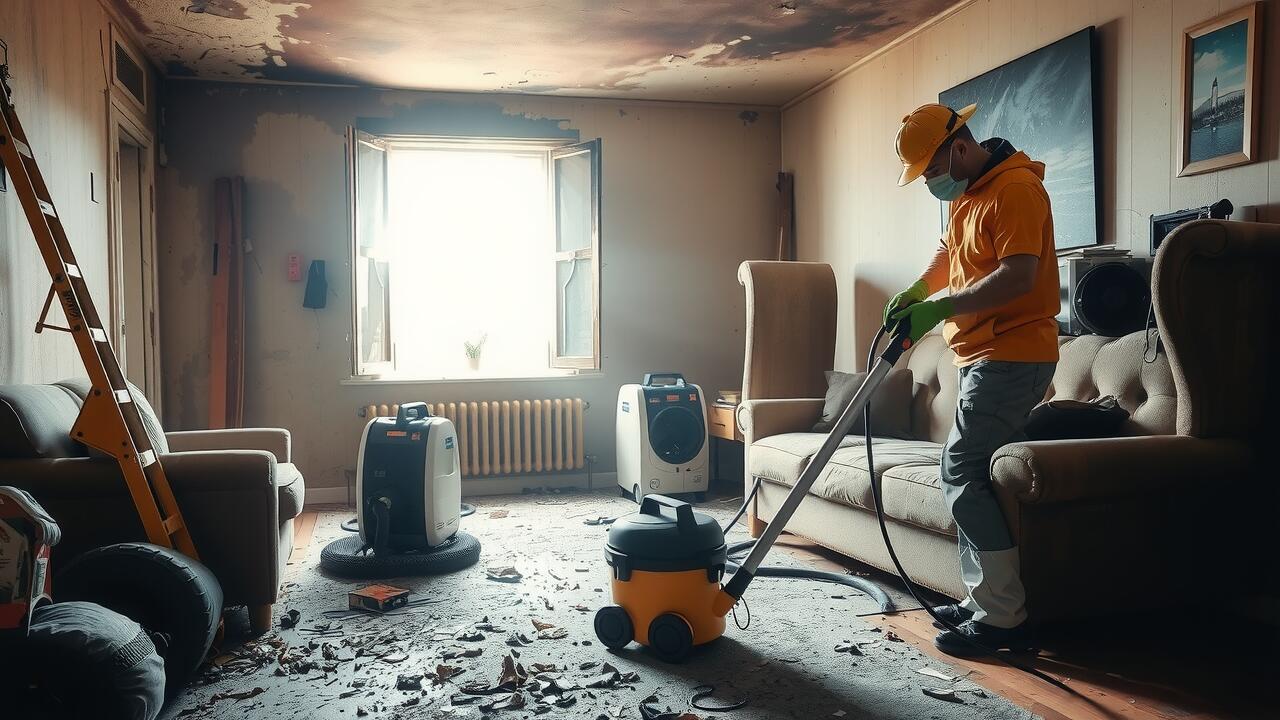
Water damage mitigation is a critical aspect of fire damage restoration in homes and businesses affected by fire. Often, firefighting efforts lead to significant water exposure, which can cause secondary damage to structures and belongings. Removing standing water promptly is essential to prevent mold growth and further deterioration of materials. Professionals typically employ industrial pumps and dehumidifiers to efficiently extract moisture from affected areas.
In addition to addressing visible water, the restoration process includes assessing hidden moisture behind walls and under floors. Specialized equipment, such as moisture meters and thermal imaging cameras, allows technicians to identify water intrusion that may not be immediately apparent. Fire damage restoration in these scenarios emphasizes a thorough approach, ensuring that every trace of water is eliminated to safeguard the integrity of the property.
Addressing Firefighting Efforts
Fire damage restoration in a property often necessitates a thorough assessment of the water and chemical residues left behind after firefighting efforts. Firefighters typically use large amounts of water to extinguish flames, which can cause significant water damage. In addition, fire retardants and foam fire suppressants may also cling to surfaces, creating potential hazards if not properly addressed. The restoration process must include detailed cleanup of all affected areas to prevent further complications such as mold growth or structural deterioration.
After the firefighting is complete, restoration professionals will employ specialized equipment and techniques to address the damage. This may involve water extraction, dehumidification, and the careful cleaning of surfaces and materials exposed to water and chemicals. Fire damage restoration in these contexts is crucial not only for the immediate repairs needed but also for the long-term safety and health of the occupants. Proper treatment of both fire and water damage can help ensure a safe and habitable environment once the restoration process is complete.
Content Cleaning and Restoration
Fire damage restoration in residential and commercial properties often requires meticulous attention to content cleaning and restoration. This process focuses on salvaging personal belongings, documents, and other items that may have been affected by the fire and smoke. Technicians assess each item’s condition to determine the best approach for cleaning and restoration. This may involve specialized techniques such as soaking, dry cleaning, or the use of ultrasonic cleaning equipment to effectively remove soot and odors.
Valuable keepsakes and important documents often hold sentimental worth, elevating the need for careful handling and restoration efforts. Fire damage restoration in these cases aims not only to clean but also to preserve. Many restoration companies offer inventory services to track what items can be salvaged. They prioritize items based on their significance and potential for restoration, ensuring that clients recover as much as possible from their fire-affected environment.
Salvaging Personal Belongings
During fire damage restoration, salvaging personal belongings is a critical component of the process. Items such as photographs, documents, and heirlooms often hold irreplaceable value for homeowners. Professionals employ various cleaning techniques tailored to the specific materials involved. Careful assessment is vital to determine which possessions can be cleaned and restored effectively versus those that need to be discarded.
Restoration teams typically use specialized equipment and solutions to treat furnishings, clothing, and other items affected by smoke and soot. This meticulous process aims to minimize loss and preserve cherished belongings. Fire damage restoration in residential spaces not only helps recover valuable items but also contributes to the overall emotional well-being of those impacted by the disaster. Protecting and restoring personal history becomes a key focus during this challenging time.
FAQS
What is fire damage restoration?
Fire damage restoration is the process of cleaning, repairing, and restoring a property that has been affected by fire, smoke, and water damage from firefighting efforts.
How are lingering odors removed after a fire?
Lingering odors can be removed through deodorization methods such as air scrubbing, ozone treatment, and thermal fogging, which help neutralize and eliminate smoke smells from the property.
What is involved in water damage mitigation during fire damage restoration?
Water damage mitigation involves removing excess water caused by firefighting efforts, as well as drying out affected areas to prevent mold growth and further damage.
How are personal belongings salvaged during fire damage restoration?
Personal belongings can be salvaged through content cleaning and restoration techniques that may include specialized cleaning, deodorization, and, when necessary, repair or replacement.
What should I do immediately after a fire before restoration begins?
After a fire, it’s essential to ensure your safety first, then contact professionals for restoration. Avoid entering the property until it has been deemed safe, and document the damage for insurance purposes.