Table Of Contents
Specialized Insulation Techniques
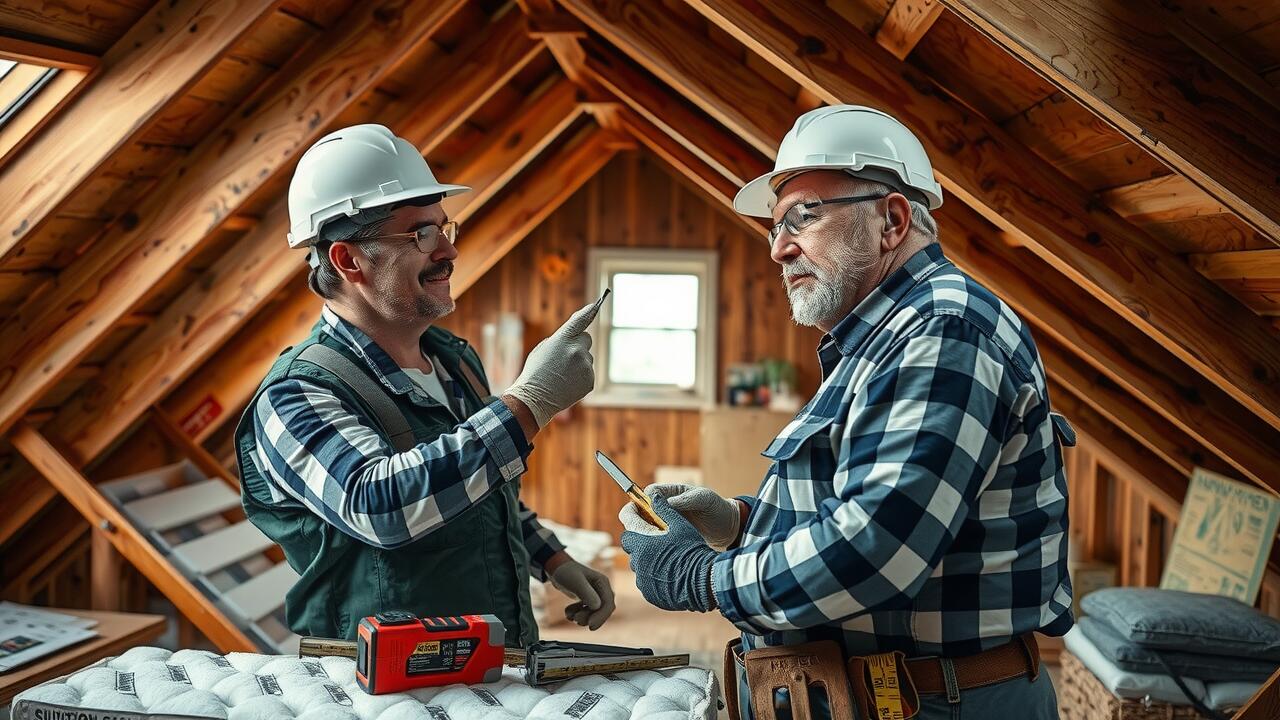
Insulation contractors utilize a variety of specialized techniques to ensure optimal energy efficiency in buildings. Methods such as spray foam insulation provide an effective air seal while minimizing energy loss. This technique expands upon application, filling gaps and cracks that other insulation types might miss. Fiberglass insulation remains another popular option, prized for its affordability and fire-resistant properties. Each method has unique benefits, making it essential to choose the right one based on the specific needs of a project.
Selecting an insulation contractor near me can greatly enhance the performance of insulation installation. Professionals employ advanced equipment and techniques that maximize material effectiveness, ensuring compliance with industry standards and local building codes. By employing sound practices during installation, they help to prevent issues such as moisture buildup and mold growth. This level of expertise not only leads to a better-kept environment but also contributes to long-term savings on energy costs.
Spray Foam vs. Fiberglass Insulation
When comparing spray foam and fiberglass insulation, it’s essential to consider their distinct properties. Spray foam insulation expands upon application, creating an airtight seal that minimizes air leakage and improves energy efficiency. This type of insulation is particularly beneficial for irregularly shaped spaces and hard-to-reach areas. On the other hand, fiberglass insulation consists of batts or loose-fill material that works well in standard stud and joist cavities, offering good thermal resistance. Each material has specific advantages depending on the project requirements and existing structures.
An insulation contractor near me can provide expert guidance on which insulation type best suits your home or building. Spray foam tends to have a higher initial cost but may result in significant savings on energy bills over time. In contrast, fiberglass insulation is often more affordable upfront but may require additional labor for installation. The choice between these two should factor in both performance and budget considerations, ensuring that the right insulation method is selected for optimal outcomes.
Building Codes and Regulations
Building codes and regulations play a crucial role in ensuring that construction projects meet safety and performance standards. Insulation is subject to specific guidelines that dictate material usage, installation methods, and overall effectiveness. Adhering to these codes not only protects the integrity of the building but also promotes energy efficiency and occupant comfort. Local regulations may vary, making it essential for insulation professionals to stay informed about the latest requirements.
The expertise of an insulation contractor near me ensures that all aspects of a project comply with local laws and standards. These professionals understand the nuances of the code and can navigate the permitting process seamlessly. Their knowledge minimizes the risk of violations that could lead to costly adjustments or delays. Consequently, hiring qualified insulation contractors is not just about installation; it’s about ensuring that the job is done right from the outset.
Compliance for Insulation Projects
Ensuring compliance with building codes and regulations is a crucial aspect of any insulation project. Local codes dictate the standards for insulation materials, installation techniques, and energy efficiency requirements. Failure to adhere to these guidelines can lead to costly fines or the need for extensive rework, which emphasizes the importance of hiring qualified professionals. An insulation contractor near me will have an in-depth understanding of local regulations and ensure that all work meets or exceeds these standards.
A knowledgeable insulation contractor will also navigate permits and inspections that may be necessary throughout the project. They can provide guidance on the necessary documentation and help streamline the approval process. By relying on an expert with local experience, homeowners can be confident that their insulation project will comply with regulations while maximizing energy efficiency and comfort in their living spaces.
Benefits of Hiring a Professional
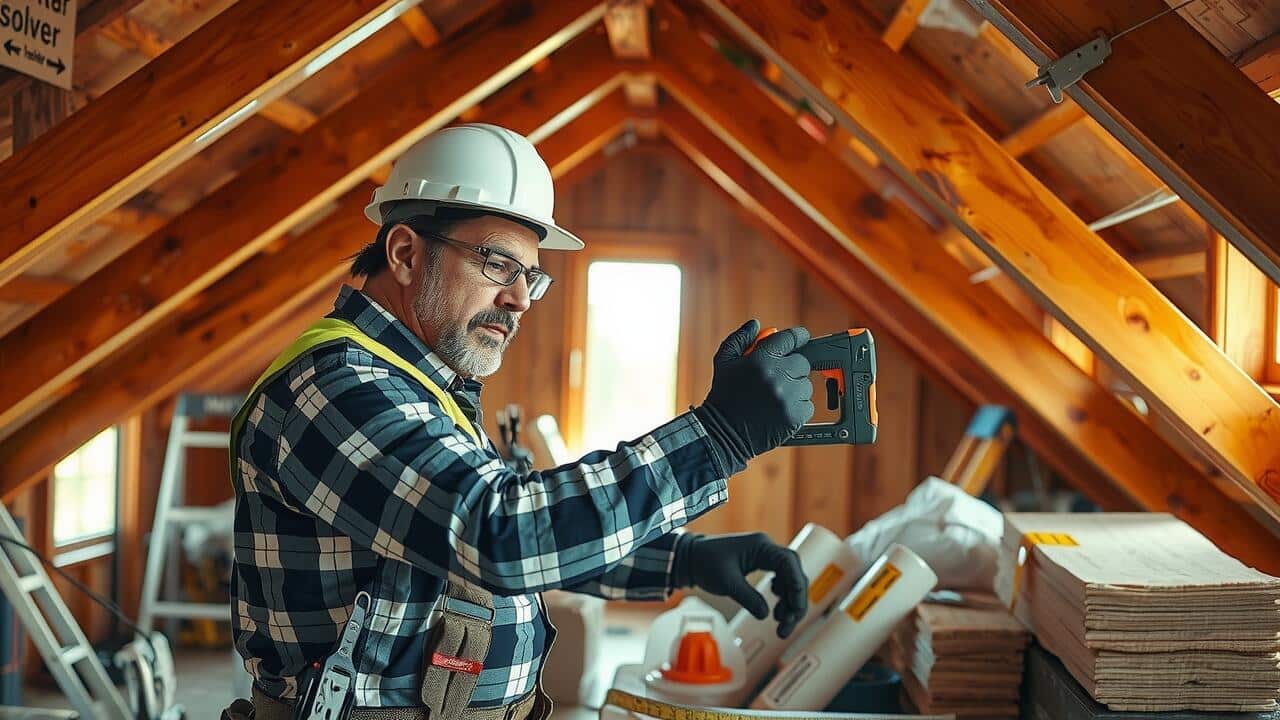
Hiring a professional insulation contractor offers significant advantages. Expertise in insulation techniques ensures that the materials used are suitable for the specific needs of a building. Professionals stay updated on the latest products and technologies, providing clients with efficient solutions that enhance energy savings and indoor comfort. When searching for assistance, using terms like “insulation contractor near me” can yield local professionals with the necessary credentials and experience.
Additionally, a professional contractor understands local building codes and regulations. Compliance with these requirements is crucial for the safety and legality of any insulation project. Neglecting to follow codes can lead to costly rework or even fines. Engaging a licensed contractor can simplify the process while ensuring that all installations meet the highest standards. This commitment to quality and adherence to regulations can protect homeowners from future issues.
Advantages of Expertise in Insulation
Hiring a professional insulation contractor offers numerous benefits that can significantly enhance the quality and effectiveness of your insulation project. These experts possess specialized knowledge and experience that enable them to assess your specific needs accurately. They understand the various insulation materials available and know which ones will perform best in your local climate. Their familiarity with industry standards ensures that the insulation is installed correctly, providing optimal thermal performance and energy efficiency.
Locating an “insulation contractor near me” can also simplify the communication process throughout the project. Local professionals are more aware of regional building codes and can ensure that all work is compliant with regulations. Their expertise not only minimizes potential errors but also helps in navigating any permits or inspections that may be required. Ultimately, their proficiency in managing insulation installations contributes to a smoother experience and better outcomes for homeowners.
FAQS
What are the primary responsibilities of an insulation contractor?
An insulation contractor is responsible for assessing insulation needs, recommending appropriate materials, installing insulation in various types of buildings, and ensuring compliance with building codes and regulations.
What types of insulation materials do contractors typically use?
Insulation contractors commonly use materials such as spray foam, fiberglass, cellulose, and mineral wool, each offering different benefits depending on the specific needs of the project.
How do insulation contractors ensure compliance with building codes?
Insulation contractors stay up-to-date with local building codes and regulations, ensuring that all materials and installation methods meet the required standards for safety and performance.
What are the advantages of hiring a professional insulation contractor?
Hiring a professional insulation contractor provides expertise in selecting the right materials, ensuring proper installation, and achieving energy efficiency, which can lead to cost savings and improved comfort in your home.
Can insulation contractors help with energy audits?
Yes, many insulation contractors offer energy audit services to assess your home’s insulation needs and identify areas where improvements can enhance energy efficiency and reduce utility costs.