Table Of Contents
Common Exclusions in Water Damage Coverage
Water damage coverage often comes with specific exclusions that homeowners should be aware of when filing a claim. For instance, damage stemming from neglected maintenance issues, such as leaky pipes or roofs, will typically not be covered. Similarly, flooding due to natural disasters may require a separate flood insurance policy, as most standard homeowners’ insurance plans do not include flood damage. Homeowners frequently assume that all forms of water damage are included in their policy, but the reality can be quite different.
Another common exclusion relates to business-related activities conducted on residential properties. If a homeowner runs a small business from their home, water damage resulting from business operations may not be covered under home insurance. It is essential for homeowners to read their policy carefully and consult with their insurance agent to understand the specifics. For those in need of immediate assistance, searching for “water damage restoration near me” can help locate local professionals ready to manage the situation effectively.
Understanding Policy Limitations
Homeowners often overlook the specific limitations embedded within their insurance policies regarding water damage. Policies may differ widely, with some providing comprehensive coverage while others have strict exclusions. It is crucial to read the fine print and understand what situations are covered. Many homeowners may not realize that certain types of water damage, such as that caused by negligent maintenance, may not be included. In cases of flooding, additional policies or endorsements may be necessary for adequate protection.
When dealing with water damage, prompt action is essential for both recovery and potential insurance claims. Homeowners searching online may enter “water damage restoration near me” to find local services that can assist in mitigating damage quickly. Knowing the limitations of their policy can help homeowners communicate more effectively with restoration services and insurance agents. Familiarity with coverage can streamline the claims process and potentially alleviate the financial burden stemming from unexpected water-related mishaps.
Steps to Take After Water Damage Occurs
After experiencing water damage, immediate action is essential to minimize further issues. Start by turning off the main water supply to prevent additional leaks. Next, remove any belongings that have been affected, taking care to document their condition with photos for insurance purposes. This initial response can make a significant difference in the extent of damage and the overall restoration process.
Once you’ve taken these steps, it’s wise to seek professional assistance. An internet search for “water damage restoration near me” can help you find local experts who can assess the situation and begin the restoration work. Timely intervention from professionals can help mitigate complications such as mold growth and structural damage. Staying organized and informed throughout this process will streamline communication with your insurance provider.
Immediate Actions for Homeowners
After discovering water damage, homeowners should act quickly to minimize further complications. First, it’s essential to ensure everyone’s safety by evacuating the affected area if necessary. Next, turn off the electricity and water supply to prevent additional hazards. Document the damage with photos and notes, as this information will be valuable when filing an insurance claim. Seeking professional help is crucial, so consider searching online for “water damage restoration near me” to find local experts who can assess and mitigate the situation.
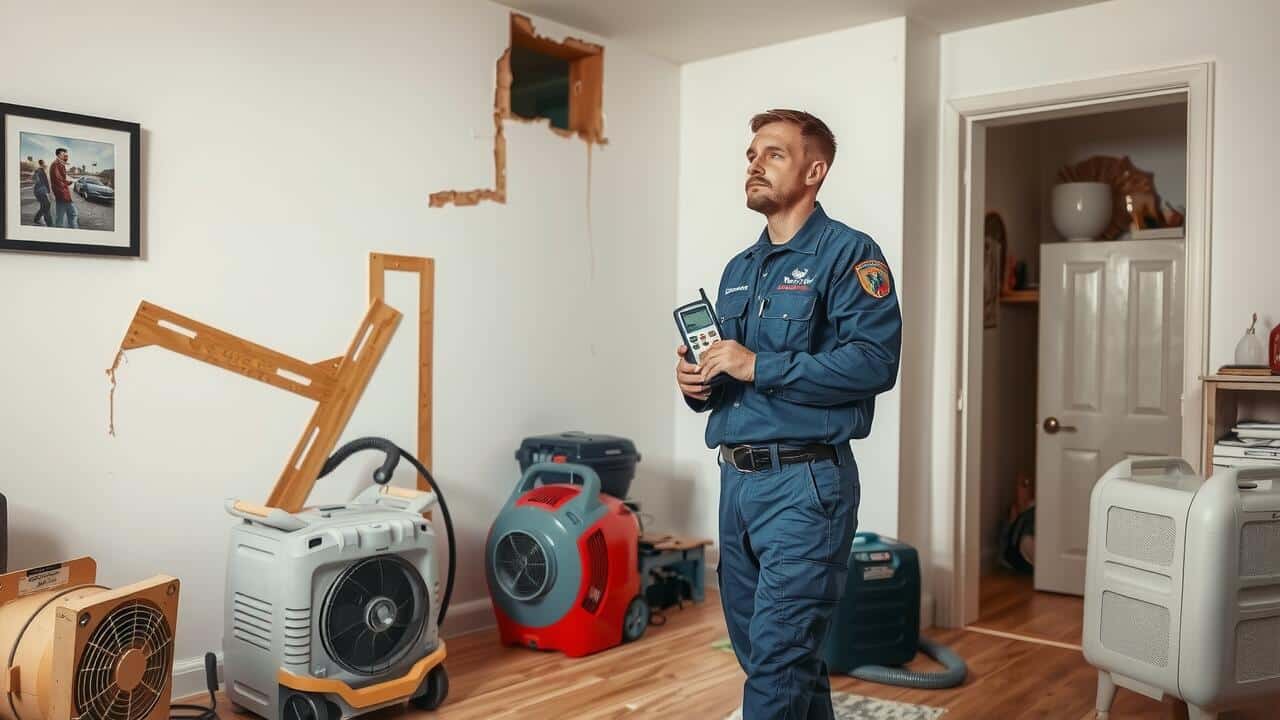
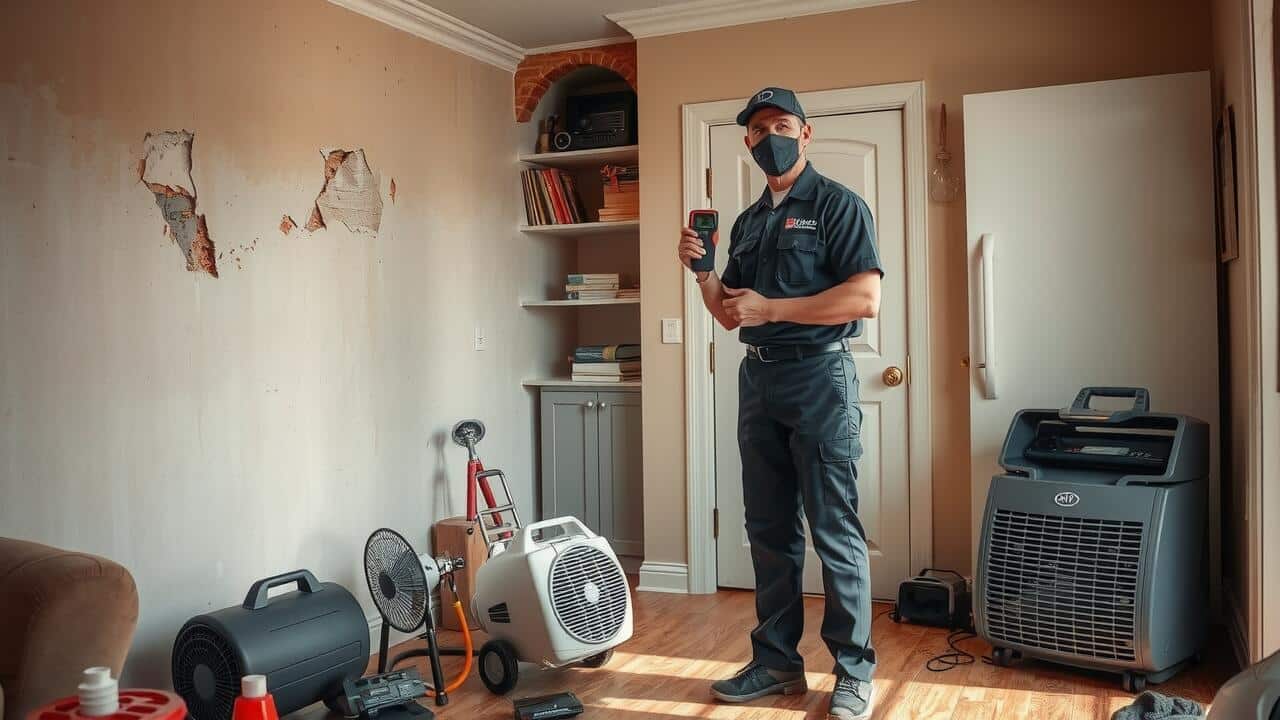
Once immediate safety concerns have been addressed, it’s important to begin the cleanup process. Remove any standing water if it’s safe to do so, using buckets, mops, or pumps. Dry the affected areas thoroughly to prevent mold growth, employing fans and dehumidifiers if available. Properly discard any damaged materials that could harbor mold, such as carpets or insulation. Taking these preliminary steps will help safeguard both the property and the health of the occupants while preparing for the next stages of recovery.
Working with Insurance Adjusters
When dealing with insurance adjusters after a water damage incident, clear communication is key. Adjusters will assess the situation based on the information you provide. Document every interaction and keep detailed notes about your conversations. This will help clarify the scope of the damage and ensure that you receive fair compensation. Be prepared to answer questions regarding the cause of the water damage and the steps you’ve taken to mitigate further harm.
You may also want to gather estimates from local water damage restoration services. Searching for “water damage restoration near me” can help you find professionals who can evaluate the damage and provide a detailed estimate. Presenting these estimates to the adjuster may strengthen your case and assist in securing the necessary funds for repairs. Always remember to follow up with the adjuster to stay informed about the progress of your claim.
Tips for Effective Communication
When communicating with insurance adjusters, it is essential to be clear and concise about the specifics of your situation. Document all conversations and keep a record of your correspondence. Having detailed notes can help clarify your claims and provide necessary evidence if disputes arise. If you have sought help from professionals, such as teams specializing in water damage restoration near me, share any documentation about their assessments and recommendations.
Listening is equally important. Understand the adjuster’s perspective and ask questions if you are unsure about anything. This approach not only builds rapport but also ensures that you are fully informed of your coverage and any limitations within your policy. Providing clear information and remaining open to dialogue can facilitate a smoother claims process and potentially lead to a better outcome.
FAQS
Does homeowners insurance cover water damage restoration?
Most homeowners insurance policies cover water damage restoration, but it typically depends on the source of the water. For instance, sudden and accidental water damage from burst pipes is usually covered, while damage from flooding or lack of maintenance may not be.
What are common exclusions in water damage coverage?
Common exclusions include flood damage, sewer backup, and water damage caused by neglect or lack of maintenance. It’s essential to read your policy carefully to understand specific exclusions.
How can I determine my policy’s limitations regarding water damage?
To determine your policy’s limitations, review your insurance documentation carefully, focusing on the sections that detail water damage coverage and exclusions. Additionally, you can contact your insurance agent for clarification.
What should I do immediately after experiencing water damage?
Immediately after experiencing water damage, you should prioritize safety by turning off the water source, unplugging electrical devices, and moving valuables to a dry area. It’s also important to document the damage with photos and contact your insurance provider as soon as possible.
How can I effectively communicate with my insurance adjuster?
To communicate effectively with your insurance adjuster, be prepared with all necessary documentation, including photos, repair estimates, and a list of damaged items. Be concise, honest, and proactive in answering their questions to facilitate the claims process.