Table Of Contents
Tools Needed for DIY Restretching
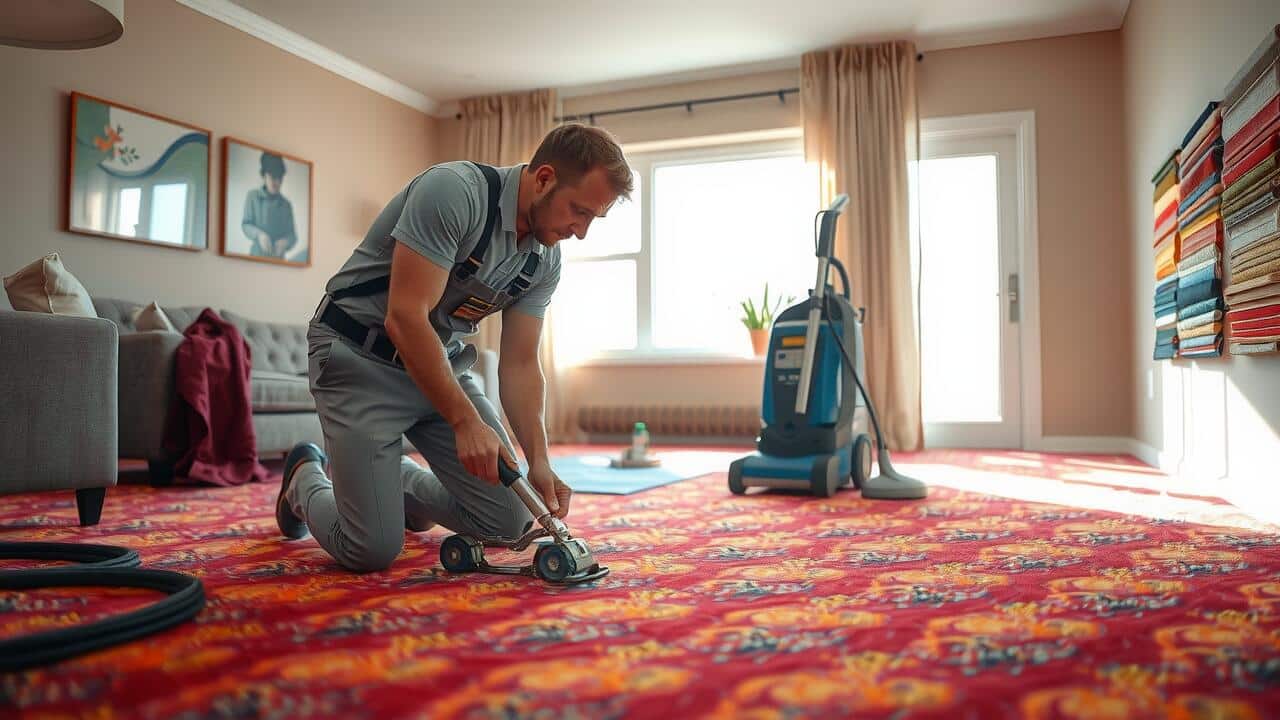
To successfully tackle DIY carpet restretching, you’ll need a few essential tools that facilitate the process. A carpet knee kicker is critical; this tool allows you to stretch the carpet efficiently without causing damage. Moreover, a utility knife will help you trim any excess carpet. A carpet stretcher, while optional, can also provide additional tension and ensure a smoother finish.
In addition to the primary tools, it’s important to have certain materials on hand for the task. Double-sided carpet tape can be useful for securing the carpet in place after stretching. A straightedge or a ruler will assist in making precise cuts and measurements. Essential tools combined with a bit of practice can make the DIY project straightforward, allowing you to achieve professional results in your carpet repair and re-stretching efforts.
Essential Equipment and Materials
When preparing for carpet restretching, having the right equipment is essential for a successful job. Key tools include a knee kicker, which helps to stretch the carpet, and a carpet stretcher, offering more precision for larger areas. A utility knife or carpet blade is necessary for trimming excess carpet, while a tugger can be handy for pulling the carpet tightly against the walls. These tools are crucial for any comprehensive Carpet Repair and Re-stretching project.
In addition to the primary tools, certain materials will enhance your efficiency. Carpet tape is often used to secure the carpet to the padding and the floor, preventing future slippage. Seam tape may be required for repairing any seams that have come apart during the stretching process. Having these materials on hand not only ensures better results but also makes the process smoother. Proper preparation with the right equipment will make the task of Carpet Repair and Re-stretching far more manageable.
How Often Should You Restretch Your Carpet?
The frequency of restretching your carpet often depends on several factors, including the type of carpet, the amount of foot traffic it experiences, and the overall maintenance routine. Generally, high-traffic areas may require restretching more frequently, possibly every 1-3 years. Regular cleaning and proper care can extend the time between restretching sessions, but visible wrinkles or buckling indicate that it is time to address the issue.
Homeowners should monitor their carpets for signs of wear or unevenness. If the carpet is showing significant signs of stretching or if it has been several years since the last service, it may be worth considering Carpet Repair and Re-stretching. Early intervention can prevent further damage, preserving the lifespan and appearance of the carpet while ensuring a safe and comfortable living environment.
Recommended Frequency Based on Usage
The frequency of carpet restretching can vary significantly depending on the level of foot traffic and the type of carpet installed. In high-traffic areas, such as hallways and living rooms, it may be necessary to restretch a carpet every one to two years. This helps maintain its appearance and avoids issues like buckling or wrinkling. In contrast, carpets in low-traffic spaces, such as bedrooms, may require restretching every three to five years, making it an infrequent but important maintenance task.
Regular maintenance includes not only vacuuming and cleaning but also monitoring the condition of the carpet. Signs that indicate the need for Carpet Repair and Re-stretching include visible wrinkles, uneven surfaces, or areas that no longer lie flat. Homeowners should keep an eye on their carpets, addressing any issues promptly to prolong the lifespan and functionality of the flooring.
Preparing for Carpet Restretching
Before embarking on the carpet restretching process, it is essential to prepare the area properly. Start by clearing away any furniture, rugs, or obstacles that could hinder your work. Additionally, ensure the carpet is clean by vacuuming thoroughly. This step helps reveal any stains or damage that may need attention before restretching, ensuring a smoother process.
Gather all necessary tools and materials to streamline your efforts. Equipment like a knee kicker, carpet stretcher, and utility knife will be crucial for effective results. Familiarize yourself with the steps involved in Carpet Repair and Re-stretching to help manage expectations. Having everything organized and ready will contribute to a more efficient and successful carpet restoration.
Steps to Take Before the Process
Before you begin the process of restretching your carpet, it is essential to clear the area. Remove all furniture and other items from the room to provide ample space for the work. This allows for better maneuverability and minimizes the risk of damaging your belongings. Make sure to inspect the carpet for any stains, tears, or damages that may need addressing during the restoration process. Proper preparation can greatly influence the outcome of your Carpet Repair and Re-stretching efforts.
Once the area is cleared, ensure you have all necessary tools and materials at hand. This includes a knee kicker, carpet stretcher, and appropriate adhesives or tape. Familiarize yourself with the equipment to work efficiently and safely. Taking the time to organize your workspace will help streamline the process, allowing you to focus on achieving the best results possible with your Carpet Repair and Re-stretching project.
FAQS
What is carpet restretching?
Carpet restretching is the process of pulling the carpet taut over the padding and floor to remove wrinkles, ripples, or buckling. This helps restore the carpet’s appearance and prolong its lifespan.
How do I know if my carpet needs restretching?
Signs that your carpet may need restretching include visible wrinkles, ripples, or bulges, especially in high-traffic areas. If the carpet feels loose or has started to separate from the walls or edges, it’s likely time for restretching.
Can I restretch carpet myself, or should I hire a professional?
While DIY carpet restretching is possible with the right tools and skills, hiring a professional can ensure a more precise job, especially for larger or more complicated areas. If you’re unsure, it may be worth consulting an expert.
How long does the carpet restretching process take?
The duration of carpet restretching varies depending on the size of the area and the complexity of the job, but it typically takes a few hours to complete.
Will restretching my carpet damage it?
No, if done correctly, restretching should not damage your carpet. However, improper techniques or excessive stretching can lead to damage, so it’s important to follow proper procedures or hire a professional.
