Table Of Contents
Effective Mold Removal Strategies
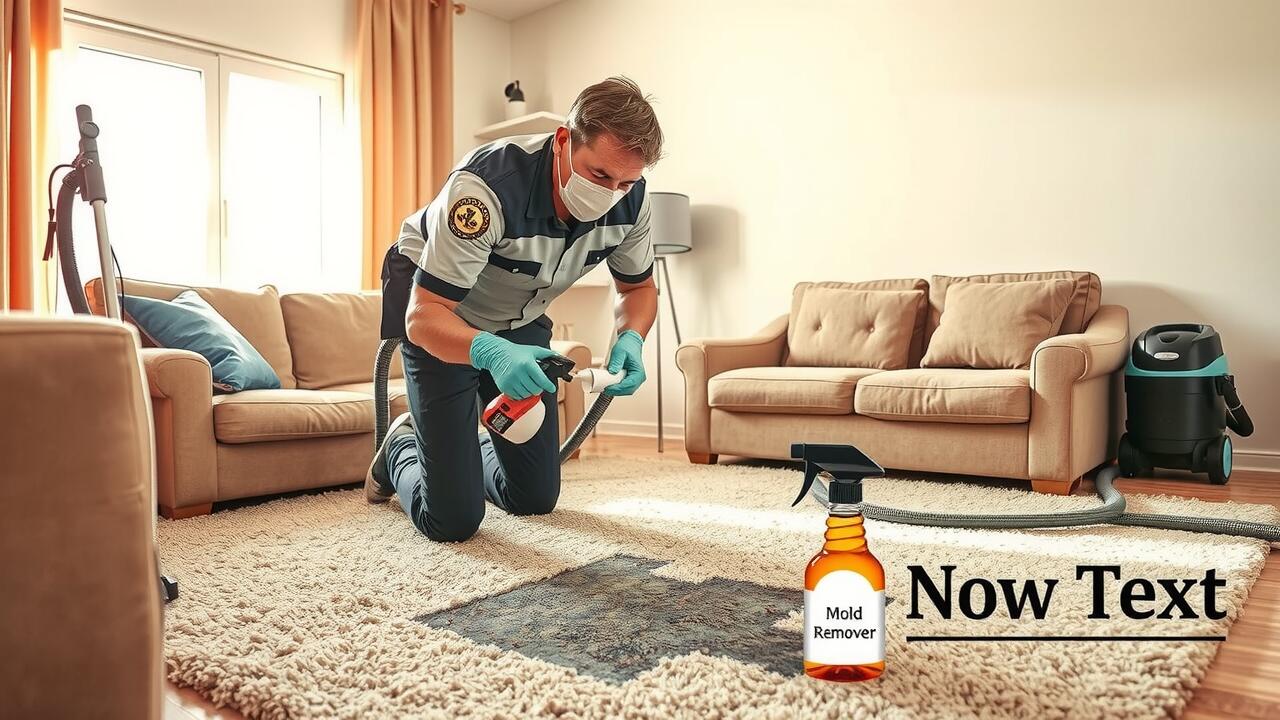
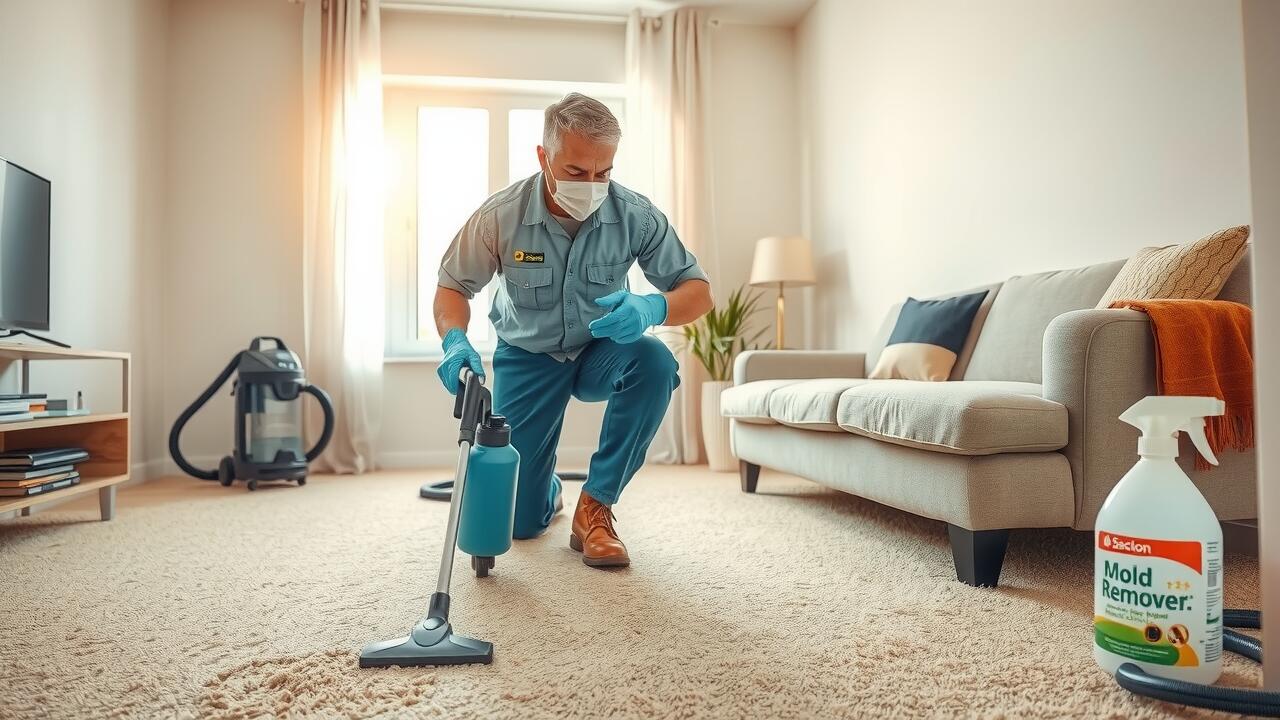
When dealing with mold in carpets, immediate action is crucial. The first step in effective mold removal involves thoroughly assessing the extent of the contamination. If the mold growth is significant, it may be necessary to consider professional intervention. Professionals are equipped with specialized tools and expertise for Carpet Mold Removal. For smaller infestations, homeowners can attempt to clean the affected areas using a mixture of water and detergent or commercial mold removers designed specifically for fabric.
After initial cleaning, it is essential to dry the carpet completely to prevent further mold growth. Proper ventilation can significantly aid in drying out damp carpets, while dehumidifiers can also help control moisture levels in the room. Regular inspections for signs of mold can assist in early detection and remediation. Emphasizing preventive measures alongside Carpet Mold Removal will ensure a healthier living environment and reduce the likelihood of recurrence.
Cleaning vs. Replacement of Carpet
When faced with mold issues in carpets, homeowners often weigh the option of cleaning versus replacement. Carpet Mold Removal can be an effective strategy, especially in cases where the mold is contained and hasn’t penetrated deeply into the fibers. Specialized cleaning solutions and methods can eliminate visible mold and restore the carpet’s appearance. The effectiveness of this approach relies on the type of mold, the extent of the infestation, and how quickly action is taken.
While cleaning can be a viable option, replacing the carpet may sometimes be the most practical solution. Extensive mold growth can compromise both the carpet’s integrity and the indoor air quality. In situations where mold has set in for an extended period or if the carpet is severely damaged, replacement may be the safest choice. Ultimately, the decision should consider factors such as health risks, the value of the carpet, and the potential costs associated with ongoing cleaning efforts.
Prevention of Mold Growth
Preventing mold growth in your home is essential, especially in areas prone to moisture. Regularly checking for leaks or water damage helps create a dry environment. Homeowners can benefit from using a dehumidifier in humid rooms and ensuring proper ventilation. Keeping air circulation steady can significantly reduce the chances of mold taking hold. Implementing these strategies goes a long way toward maintaining a healthy living space.
Regular maintenance of carpets is crucial for mold prevention. Thorough cleaning removes dirt and allergens that can promote mold growth. In addition to regular vacuuming, professional Carpet Mold Removal is an effective solution to eliminate existing mold and prevent its return. Choosing carpets made of synthetic materials can reduce moisture absorption, further lowering the risk of mold development within the fibers.
Tips for Reducing Humidity
Maintaining an optimal humidity level in your home is crucial for preventing mold growth, especially in areas with carpets that may be prone to moisture retention. A dehumidifier can be an effective tool, significantly reducing humidity levels in rooms. Aim to keep indoor humidity between 30% and 50%. Proper ventilation also plays a key role; open windows and use exhaust fans in areas like kitchens and bathrooms to promote airflow.
Regular inspections for leaks or water damage are essential. Address any plumbing issues promptly to avoid excess moisture. Utilizing moisture absorbers can help in high-risk areas such as basements or bathrooms. Additionally, ensuring that carpets are dry and clean not only helps in Carpet Mold Removal but also creates a healthier living environment. Regularly cleaning carpets with products designed for mold prevention is advisable.
Impact of Sleeping in a Moldy Room
Sleeping in a room with mold, especially if it’s present in the carpet, can lead to several health issues. Mold spores can become airborne, making their way into the lungs during sleep. This exposure may cause allergic reactions or respiratory problems, particularly for individuals with existing conditions like asthma or allergies. The intensity of these effects often varies by individual sensitivity to mold, which makes it important to address any signs of mold growth promptly.
Long-term exposure to mold can result in more severe health complications. Chronic respiratory issues, fatigue, and persistent headaches may develop with time. These symptoms can hinder one’s quality of life and daily activities. Therefore, Carpet Mold Removal is crucial for maintaining a healthy living environment, ensuring that harmful mold does not affect the well-being of those who occupy the space. Properly addressing mold issues is essential for both immediate comfort and long-term health.
Short-Term vs. Long-Term Effects
Exposure to carpet mold can lead to several short-term health effects, particularly for those with allergies or other respiratory conditions. Symptoms may include sneezing, coughing, and skin irritation. Individuals can also experience headaches or fatigue. Even in healthy individuals, spending prolonged periods in a moldy environment can irritate the throat, eyes, and skin. Immediate intervention with Carpet Mold Removal can help mitigate these symptoms and restore a healthier living space.
Long-term exposure to mold in carpets can result in more severe health consequences. Chronic respiratory issues may develop over time, including asthma or persistent sinus infections. The presence of mold spores in the air can contribute to increased sensitivity and more serious allergic reactions in some individuals. For those at higher risk, such as infants or the elderly, long-term exposure can lead to complications that affect overall health. Addressing mold issues quickly through effective Carpet Mold Removal is essential to prevent these prolonged effects.
FAQS
What are the health risks of sleeping in a room with mold in the carpet?
Sleeping in a room with mold can lead to various health issues, especially for individuals with allergies, asthma, or weakened immune systems. Potential symptoms include respiratory problems, skin irritation, and fatigue.
How can I tell if there is mold in my carpet?
Signs of mold in carpet include a musty odor, visible discoloration or spots, and damp areas. If your carpet feels moist or you have had recent water damage, it’s advisable to inspect it for mold growth.
What should I do if I find mold in my carpet?
If you find mold in your carpet, it’s best to address it immediately. You can clean small areas with a mixture of water and vinegar, but for extensive mold growth, consider hiring professional mold remediation services.
Can mold in the carpet affect my sleep quality?
Yes, mold in the carpet can negatively impact sleep quality due to respiratory issues, allergic reactions, and overall discomfort, making it harder to rest peacefully.
What steps can I take to prevent mold growth in my carpet?
To prevent mold growth, keep the room well-ventilated, use a dehumidifier to reduce humidity levels, fix leaks promptly, and ensure carpets are cleaned and dried thoroughly after spills.