Table Of Contents
Vacuuming High-Traffic Areas
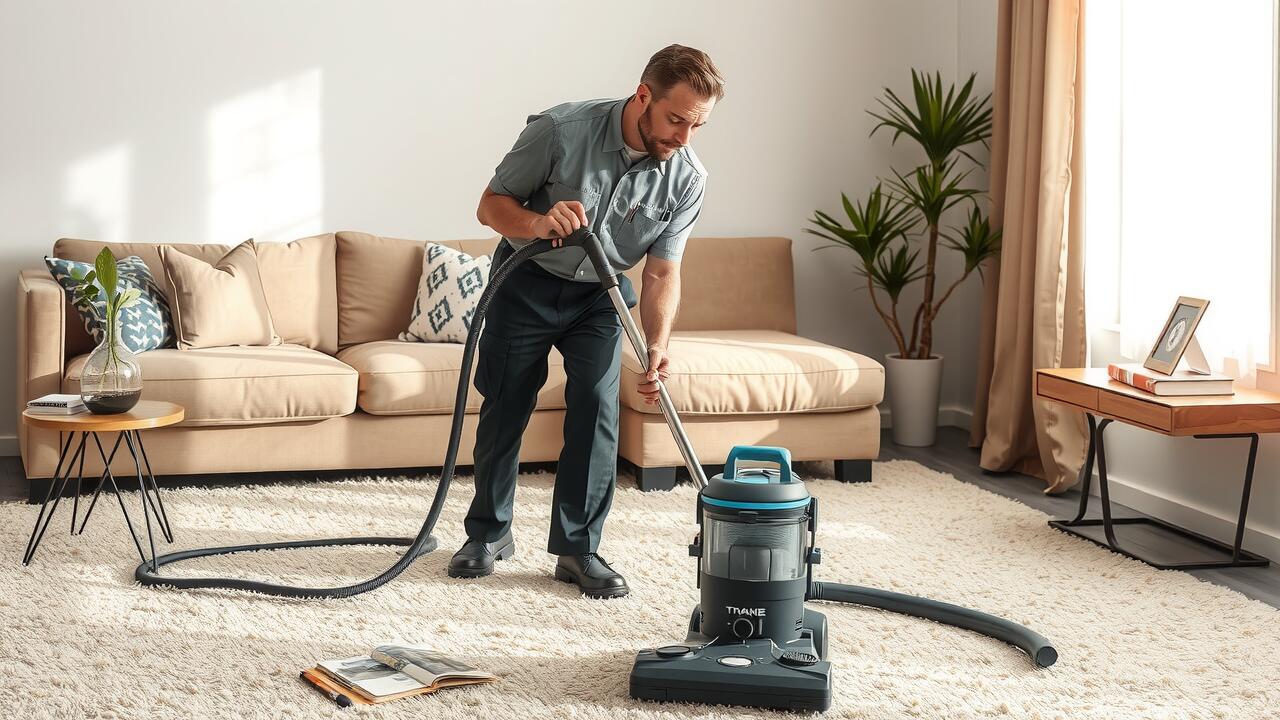
High-traffic areas see much more foot traffic compared to other parts of your home. This constant movement can lead to a buildup of dirt, dust, and allergens that settle deep within the carpet fibers. Regular carpet vacuuming in these zones becomes essential to maintain cleanliness and appearance. It is often recommended to vacuum high-traffic areas at least twice a week, depending on the level of use.
Even with a consistent vacuuming routine, the frequency might need adjustment based on specific circumstances. Homes with children, pets, or frequent gatherings may require more regular attention to these areas. Using a vacuum with strong suction and a rotating brush can help lift dirt more effectively from these heavily used spots. Prioritizing carpet vacuuming in high-traffic sections not only enhances the aesthetic but also contributes to the overall longevity of your carpets.
Focused Attention on Specific Rooms
Carpet vacuuming in specific rooms can have a significant impact on the overall cleanliness of your home. Areas such as the living room and bedrooms often see a lot of foot traffic, making them prime candidates for more frequent vacuuming. Dust, dirt, and allergens accumulate quickly in these spaces, especially if there are pets or children. Establishing a regular vacuuming schedule for these rooms helps maintain a healthier environment and preserves the carpet’s appearance.
In addition to high-traffic areas, targeted carpet vacuuming in spaces like dining rooms and home offices is equally important. These rooms may not experience constant foot traffic but can gather dust and debris from meals and daily activities. Vacuuming in these areas ensures that lurking particles are removed and prevents potential stains or odors from absorbing into the carpet fibers. Consistently addressing these specific rooms can enhance your home’s overall air quality and aesthetic appeal.
Vacuuming Techniques for Effectiveness
Carpet vacuuming in a methodical manner can significantly enhance its effectiveness. Start by dividing the carpeted area into sections to ensure thorough cleaning. Use different speeds and styles of movements depending on the carpet pile. For lower pile carpets, a quick back-and-forth movement suffices, while higher pile carpets may benefit from slower, more deliberate vacuums to capture trapped dirt and debris. Regularly changing directions during vacuuming also helps dislodge dirt from various angles.
Incorporating specialized techniques can further improve results during carpet vacuuming in various settings. For instance, utilizing a vacuum’s brush roll can effectively remove pet hair and embedded particles. Adjusting the vacuum height setting based on carpet thickness ensures better suction and performance. Additionally, overlapping each pass with the vacuum will minimize missed spots. Taking these factors into account leads to cleaner carpets and extends their lifespan.
Proper Use of Vacuum Attachments
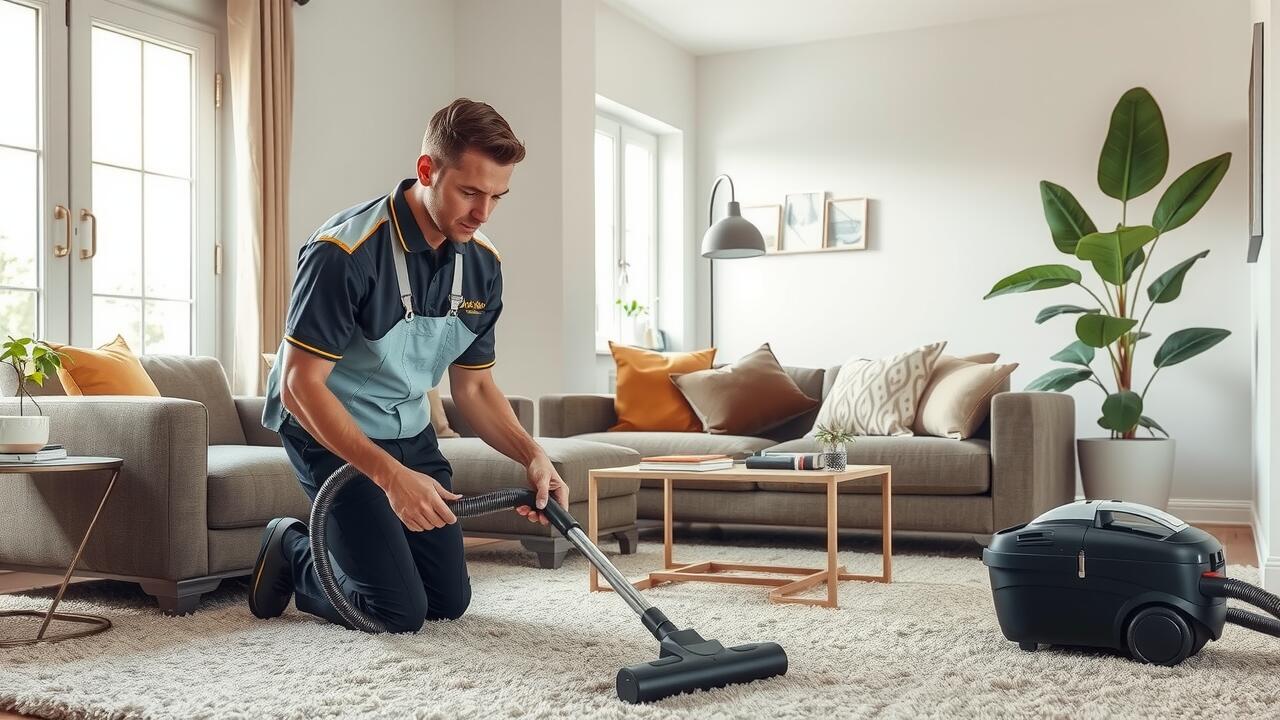
Proper use of vacuum attachments can significantly enhance Carpet Vacuuming in your home. Each attachment is specially designed to tackle different types of debris and surfaces, allowing for a more thorough clean. For instance, using a crevice tool helps reach corners and tight spaces where dirt accumulates. The upholstery brush is perfect for removing pet hair and lint from furniture, while the floor brush works well on various carpet textures.
Choosing the right attachment not only improves the effectiveness of Carpet Vacuuming in high-traffic areas but also protects your carpets from wear. When cleaning stairs, a handheld vacuum or a vacuum with a detachable hose makes the process safer and more efficient. Understanding the specific functions of each attachment will lead to better maintenance of your carpets and prolong their lifespan.
Signs That Your Carpets Need Vacuuming
Carpet vacuuming in any home should be an essential part of maintenance. A visible layer of dust, dirt, or pet hair on the carpet’s surface often indicates that it’s time to reach for the vacuum cleaner. Additionally, if you notice that your carpets appear dull or lifeless, this can signal a buildup of debris that affects their overall appearance.
Sensory cues also serve as indicators for vacuuming. A noticeable increase in allergy symptoms among household members can suggest that allergens like dust mites and pollen are trapped within the fibers of the carpet. Regular carpet vacuuming in these situations can help alleviate discomfort and improve indoor air quality. Furthermore, a general musty or stale odor can often emanate from unkempt carpets, reinforcing the need for timely cleaning.
Visual and Sensory Cues
Visual cues can significantly indicate when carpets need vacuuming. Look for the appearance of dirt, dust, or debris on the surface. High-traffic areas may show visible tracks or a change in color, signaling that it’s time for a cleaning. Stains or spills not only disrupt the aesthetics but also attract more dirt, making regular attention essential.
Sensory cues play a role as well. An unpleasant odor emanating from the carpet often suggests a buildup of dust or allergens. Additionally, the texture of carpets can change, becoming less plush and feeling sticky underfoot. Regular carpet vacuuming in these instances can help maintain a clean, fresh environment and prolong the life of your flooring.
FAQS
How often should I vacuum high-traffic areas?
High-traffic areas should be vacuumed at least once a day, or more often if necessary, to keep dirt and debris from accumulating.
Are there specific rooms that require more frequent vacuuming?
Yes, rooms such as the living room, dining room, and children’s play areas typically require more frequent vacuuming due to higher foot traffic and potential spills.
What vacuuming techniques can enhance effectiveness?
Utilizing slow, deliberate movements in a back-and-forth pattern and making multiple passes over the same area can enhance vacuuming effectiveness.
How can I properly use vacuum attachments?
Use appropriate attachments for different surfaces and areas; for example, use a brush attachment for upholstery and a crevice tool for corners and edges to ensure a thorough clean.
What signs indicate that my carpets need vacuuming?
Signs that carpets need vacuuming include visible dirt and debris, a dusty appearance, or a noticeable change in texture or smell, indicating buildup that needs to be addressed.