Table Of Contents
How Professional Cleaning Works
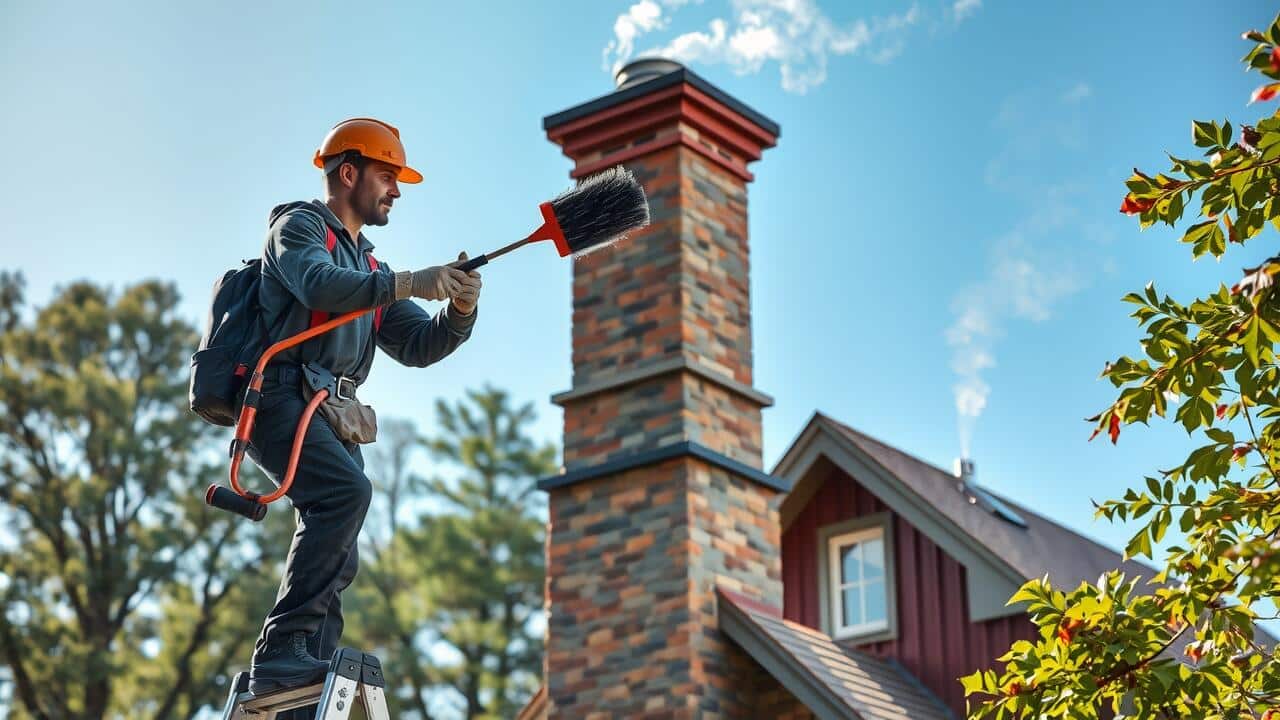
Chimney cleaning is a detailed process that requires specific knowledge and tools. Professionals typically start with a thorough inspection to assess the chimney’s condition. They look for buildup of soot and creosote, structural integrity, and any potential blockages. This assessment helps them determine the most effective cleaning method. After the evaluation, experts utilize specialized brushes and vacuum systems designed to safely remove debris without spreading dust or soot into the home.
During the cleaning process, chimney cleaning professionals take care to protect the surrounding area. They use drop cloths and protective gear to minimize mess and ensure safety. The actual cleaning involves scrubbing the interior walls of the chimney to eliminate buildup, followed by a thorough inspection of the flue and connections. This comprehensive approach ensures that the chimney operates efficiently and safely, reducing the risk of fires and improving air quality.
Tools and Techniques Used by Experts
Experts in chimney cleaning use a variety of specialized tools designed to safely and effectively remove creosote build-up and soot from the chimney’s interior. One common tool is a rotary cleaning system, which features flexible rods that can navigate the twists and turns of different chimney designs. This method allows for thorough cleaning without causing damage to the structure. Additionally, high-powered vacuums equipped with HEPA filters are employed to capture debris and minimize dust during the process.
Brushes made from durable materials are also vital in the chimney cleaning arsenal. These brushes come in various sizes and types to accommodate different flue dimensions and shapes. Professionals may use adjustable brushes to ensure a snug fit, enhancing their cleaning efficiency. Inspections often take place before and after cleaning, utilizing cameras to identify blockages or structural issues. This comprehensive approach ensures that chimneys are maintained to meet safety standards while providing optimal performance.
DIY Chimney Cleaning Tips
Chimney cleaning requires a few simple tools that can make the task manageable for homeowners. A chimney brush, ideally suited to the size of the flue, is essential for removing soot and creosote buildup. A sturdy extension pole allows you to reach higher areas without risking your safety. Additionally, using a vacuum designed for soot can help contain the mess you might encounter during the process. It’s wise to have a drop cloth handy to protect your living space from debris.
Before starting chimney cleaning, be sure to take safety precautions to avoid accidents. Wearing a mask and goggles will protect your lungs and eyesight from soot particles. Ensure that you have a sturdy ladder in place if you need to access the roof. Inspect your chimney visually for any cracks or blockages. Taking the time to prepare properly can make the cleaning process smoother and more efficient, reducing the likelihood of potential hazards.
Essential Safety Precautions
Chimney cleaning involves dealing with potentially hazardous materials that accumulate over time, including soot and creosote. Wearing appropriate personal protective equipment is essential. This includes gloves, safety goggles, and a mask to prevent inhalation of dust and debris. Ensure that the area is well-ventilated to reduce the risk of inhaling harmful particles during the process.
Before starting chimney cleaning, it’s crucial to secure the area around the fireplace. Move any flammable objects away to avoid accidents. Consider using a drop cloth to protect your flooring from soot and other residues. If you’re using ladders or scaffolding to gain access to your chimney, make sure they are stable and positioned correctly. Taking these precautions helps ensure a safer cleaning experience.
When to Hire a Professional
Recognizing when to hire a professional for chimney cleaning is essential for maintaining safety and efficiency. If you notice excessive soot buildup, a persistent draft in your fireplace, or any signs of blockages, it is advisable to seek expert help. These issues can lead to more significant problems, including hazardous chimney fires or carbon monoxide leaks, making it imperative to address them promptly.
Additionally, if your chimney is older or has not been serviced in several years, a professional inspection can provide peace of mind. Certified technicians have the training and tools necessary to identify and resolve complex problems that may go unnoticed during a basic sweep. They can also spot any structural issues within the chimney that require immediate attention.
Identifying Complex Issues
Identifying complex issues within your chimney system is crucial for maintaining a safe and efficient fireplace. Obstructions such as creosote buildup, animal nests, and debris can lead to poor ventilation or even chimney fires. Regular inspections can help detect these problems before they escalate. If you notice unusual smells, smoke backing up into the home, or an increase in soot accumulation, these may signal deeper issues requiring immediate attention.
Chimney cleaning is essential for preventing hazardous conditions. In some cases, you may encounter structural concerns like cracks or blockages that aren’t easily visible without professional tools. If you suspect that your chimney has more than just a buildup of soot, it’s wise to consult an expert. They can thoroughly evaluate the system and provide necessary repairs to ensure safety and compliance with building codes.
FAQS
How often should I have my chimney cleaned?
It is generally recommended to have your chimney cleaned at least once a year, especially if you use your fireplace frequently. However, the frequency may vary based on usage, type of fuel, and the design of the chimney.
What are the signs that my chimney needs cleaning?
Signs that your chimney may need cleaning include a strong odor coming from the fireplace, excessive soot buildup, difficulty starting a fire, and the presence of a black or creosote buildup in the flue.
Can I clean my chimney myself?
Yes, you can clean your chimney yourself if you are comfortable with DIY tasks and follow proper safety precautions. However, for thorough cleaning and inspection, it is advisable to hire a professional.
What are the risks of not cleaning my chimney regularly?
Failing to clean your chimney regularly can lead to dangerous chimney fires, carbon monoxide buildup, and decreased efficiency of your heating system, potentially leading to costly repairs.
How long does a professional chimney cleaning take?
A professional chimney cleaning typically takes between 30 minutes to an hour, depending on the condition of the chimney and the extent of the cleaning required.
