Table Of Contents
Signs That Mold is Dead
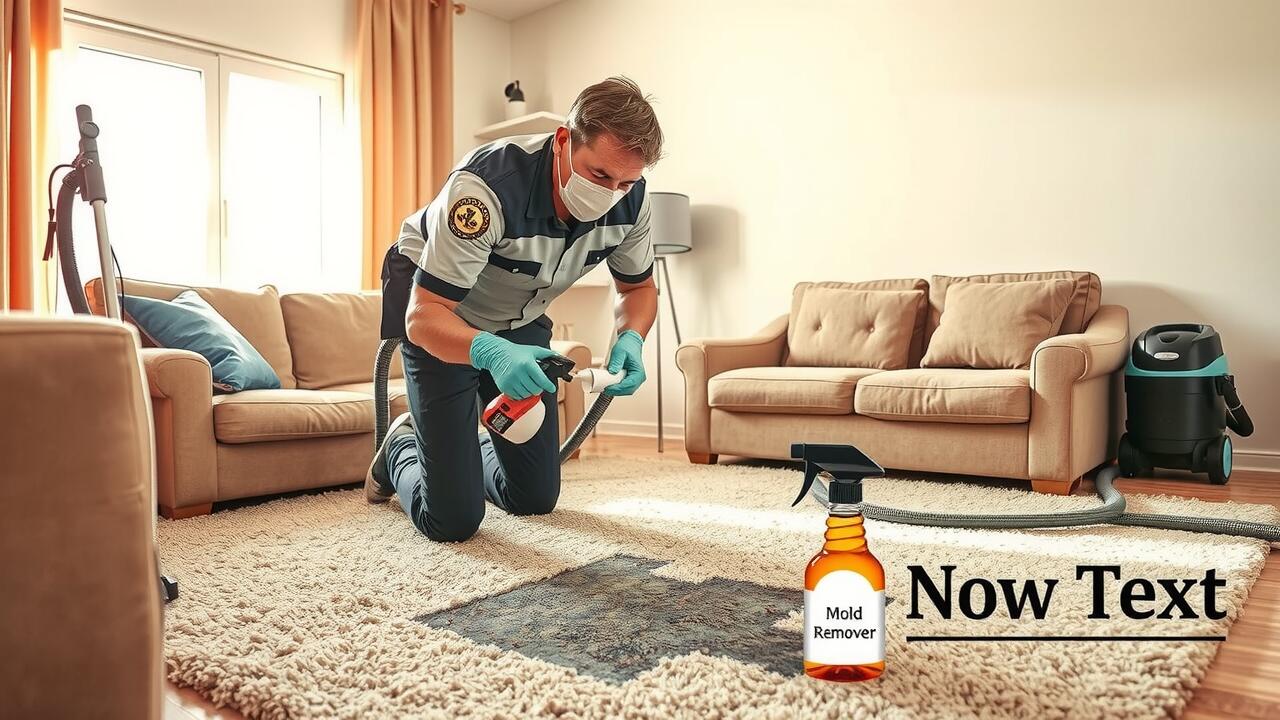
Identifying when mold is truly dead can be tricky. One of the main signs to look for is a noticeable change in appearance. Healthy mold typically appears fuzzy or discolored. Once it has been treated effectively, these characteristics should disappear, leaving behind a clean surface. A significant decrease in any musty odors coming from the carpet can also indicate progress. Mold spores produce smell, and their absence points to successful mold elimination.
After addressing the issue, it’s wise to monitor the area closely. If you notice a reduction in visible mold and smell, you should still be vigilant for any returning signs. Checking humidity levels and maintaining proper ventilation can help ensure that mold does not return. For those concerned about lingering mold or who need professional assistance, searching for “Carpet Mold Removal near me” can lead to helpful resources and expert services.
Identifying Successful Treatment
When treating carpet mold with vinegar, one of the most important indicators of success is the visible reduction of mold growth. The mold should appear lighter in color or may even disappear entirely. Foul odors commonly associated with mold should also dissipate. If these signs are evident within a few days after application, it suggests that the treatment is effectively working. Homeowners can look up “Carpet Mold Removal near me” for professional assistance if these signs are not observed.
To assess the effectiveness of the vinegar treatment, you can perform a simple test. Lightly sponge the treated area with a damp cloth to see if any discoloration reappears. If the mold is still present after thoroughly drying and cleaning, further measures may be necessary. This may include a second application of vinegar or considering other mold removal methods. Ensure to follow up with proper sanitation procedures to prevent future growth.
Cleaning Up After Using Vinegar
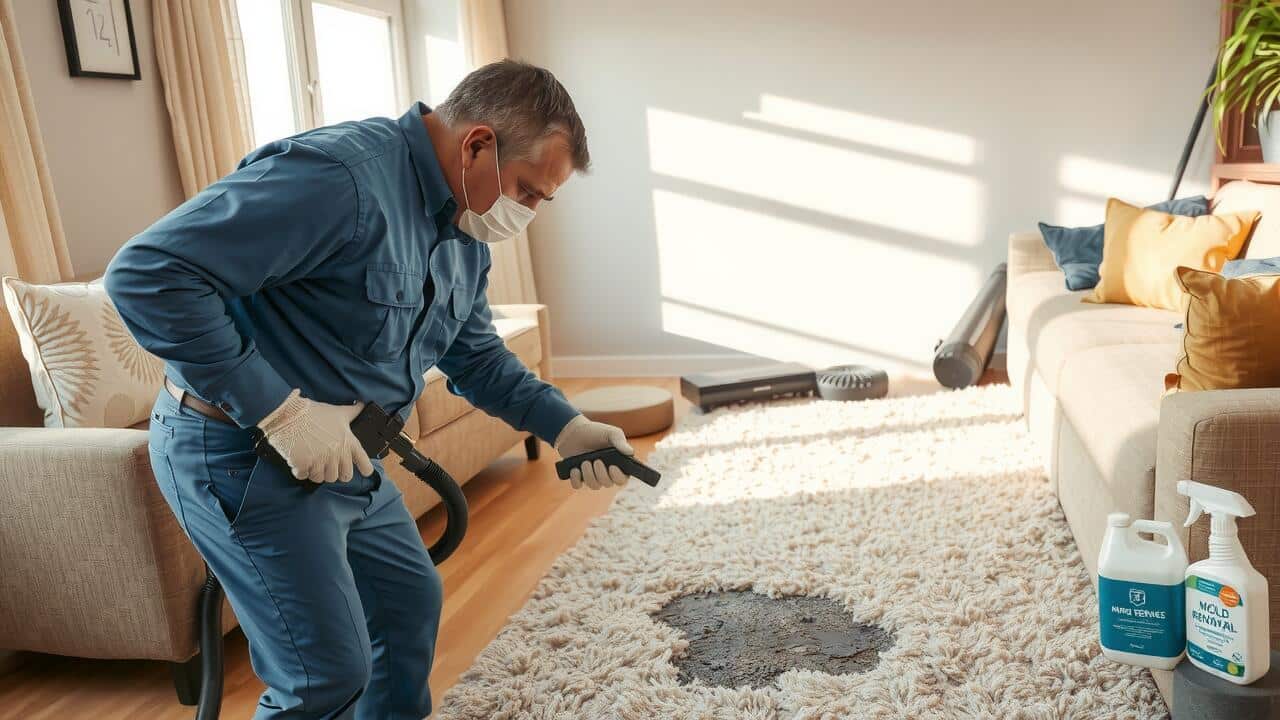
After applying vinegar to treat mold in carpet, it is essential to clean up the area properly to prevent any lingering odors and to ensure the elimination of mold spores. Begin by using a clean, dry cloth to blot excess moisture from the carpet. Avoid rubbing, as this can disturb the fibers and push the mold deeper into the material. If the carpet remains damp, consider using a fan or a dehumidifier to enhance the drying process. Proper ventilation can also help in reducing the vinegar smell.
Once the carpet is thoroughly dry, it may be necessary to vacuum the area. This step helps remove any remaining mold spores that the vinegar might not have reached. If mold persists despite your cleaning efforts, it might be time to seek professional help by searching for “Carpet Mold Removal near me.” These experts can provide more intensive treatments and ensure your carpet becomes mold-free.
Proper Carpet Maintenance Post-Treatment
After treating your carpet with vinegar, maintaining its condition is crucial to prevent mold from returning. Regular vacuuming helps remove organic material that mold thrives on. Consider using a vacuum with a HEPA filter for better results. This ensures that any microscopic spores get trapped, reducing the chance of re-infestation. Additionally, keeping your home’s humidity low can deter mold growth; using a dehumidifier in particularly damp areas improves overall air quality.
Inspect your carpet frequently for any signs of moisture or mold. If you live in an area prone to high humidity, a routine check is essential. Should you notice any remnants of mold or unusual smells, begin a second treatment immediately. For persistent cases, searching for “Carpet Mold Removal near me” can connect you with professionals who can assess and handle the situation effectively. Proper aftercare and vigilance will help keep your carpet clean and free from mold.
Alternative Mold Removal Methods
When dealing with mold in carpets, some homeowners may seek alternatives to vinegar for treatment. Baking soda is a popular option, as it helps absorb moisture and odors while also having mild antifungal properties. Mixing it with water can create a paste that can be applied directly to moldy areas, followed by vacuuming once it dries. Other chemical-based solutions, such as hydrogen peroxide or specialized mold removers, can also be effective. These products are often designed specifically for mold and may penetrate deeper into carpets, providing a more thorough clean.
For those unsure of the best approach, searching online for “Carpet Mold Removal near me” can yield professional services tailored to this issue. Experts often use industrial-grade treatments that may not be readily available to consumers. Additionally, professionals can identify underlying issues that contribute to mold growth, such as moisture problems or poor ventilation. Consulting with them can lead to better long-term outcomes for carpet maintenance and mold prevention.
Comparing Vinegar with Other Solutions
When comparing vinegar to other mold removal solutions, it’s essential to consider effectiveness and safety. Vinegar is a natural, non-toxic option that can effectively kill many types of mold due to its acidity. It can be a preferable choice for those wanting to avoid harsh chemicals. However, there are still many commercial mold cleaners available, some of which may work more quickly or powerfully than vinegar, especially for severe infestations.
Another aspect to consider is the ease of application. Vinegar is readily available and easy to use, making it a convenient option for homeowners looking to tackle mold issues themselves. However, some specialized products can penetrate deeper into fibers and eliminate existing spores. For those who prefer a professional approach, searching for “Carpet Mold Removal near me” can provide localized services that might offer thorough treatment and long-term solutions tailored to specific mold issues.
FAQS
How long does it take for vinegar to kill mold in carpet?
Vinegar typically takes about 1 to 2 hours to kill mold in carpet, but it may require a longer duration for complete effectiveness depending on the severity of the mold infestation.
Can vinegar completely remove mold from carpet?
While vinegar is effective at killing mold spores, it may not completely remove stains or eliminate all traces of mold. Additional cleaning and possibly professional treatment may be necessary for severe cases.
Is it safe to use vinegar on all types of carpets?
Vinegar is generally safe for most carpets, but it’s best to test a small, inconspicuous area first to ensure it does not cause discoloration or damage.
How should I apply vinegar to my carpet to treat mold?
Mix equal parts of water and white vinegar in a spray bottle, apply it directly to the moldy areas, and let it sit for at least 1 to 2 hours before blotting it up with a clean cloth.
What other methods can I use to remove mold from carpet besides vinegar?
Alternatives to vinegar include hydrogen peroxide, baking soda, and commercial mold removal products. Each has its own effectiveness and safety profile, so choose based on your specific needs and carpet type.