Table Of Contents
Disinfecting Common Areas
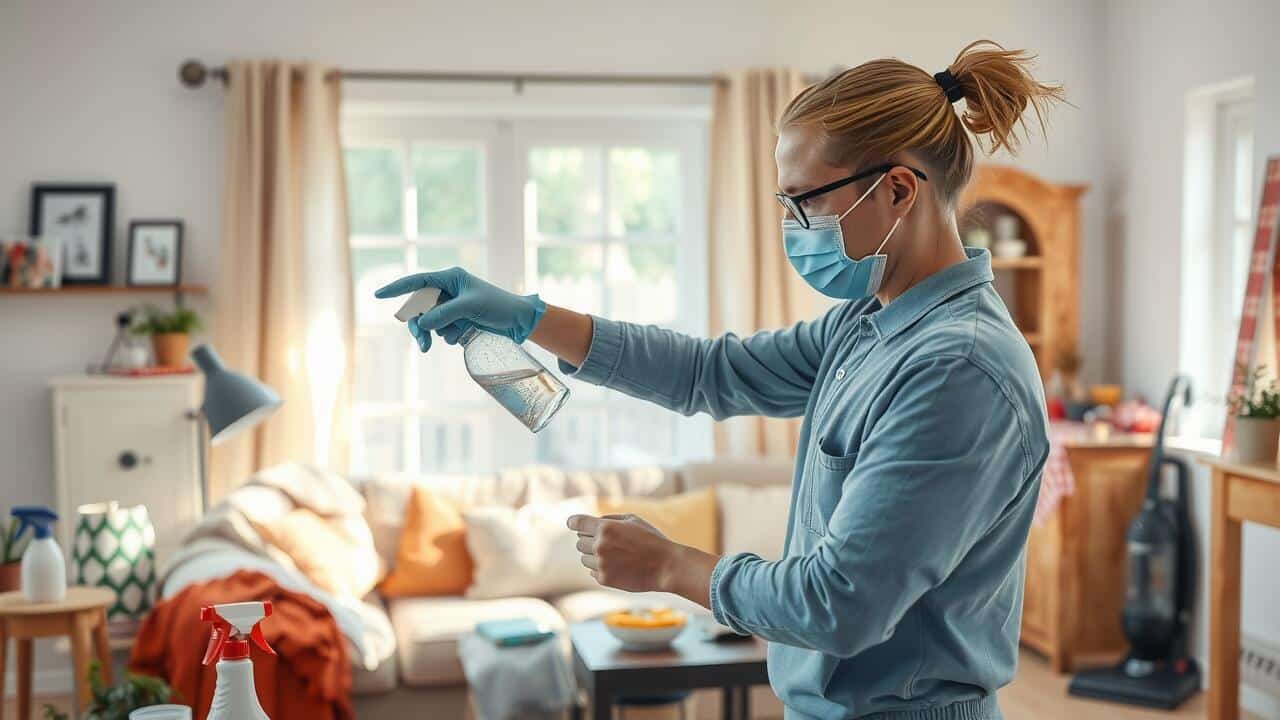
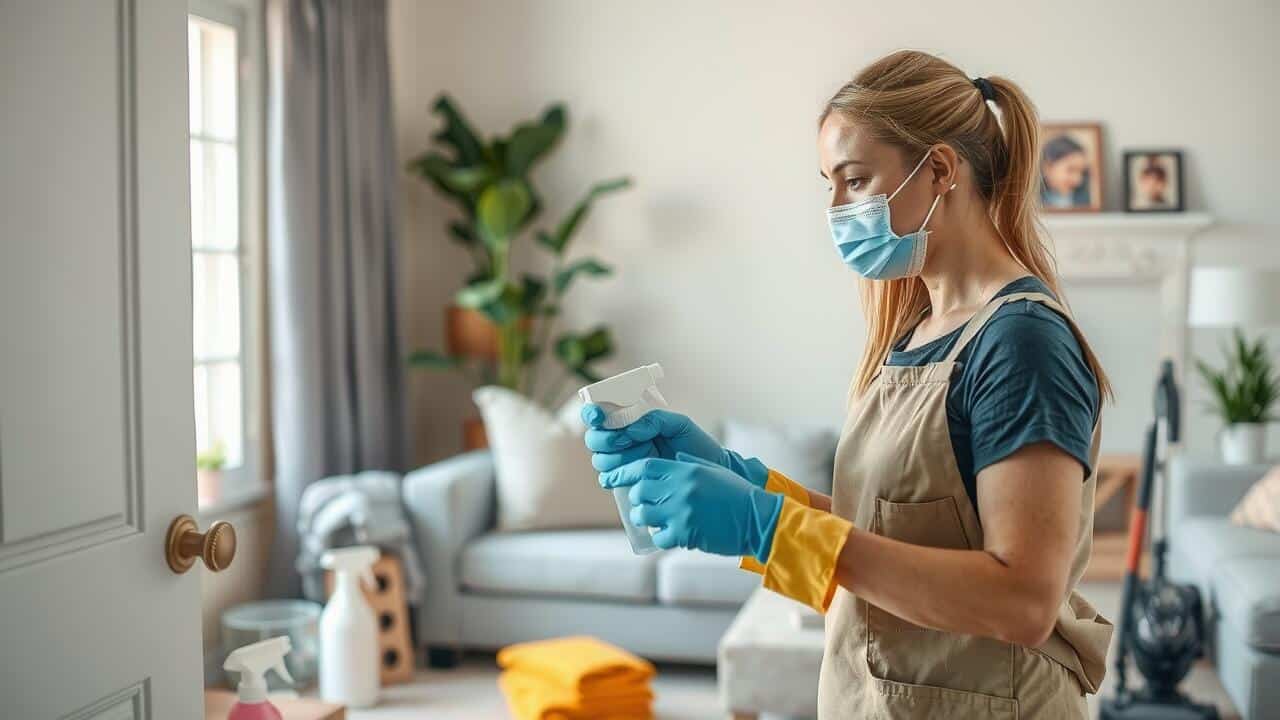
Disinfecting common areas is essential after being sick to prevent the spread of germs. Focus on frequently touched surfaces like doorknobs, light switches, and remote controls. Use a disinfectant cleaner approved for use against viruses and bacteria. Wipe these areas thoroughly, allowing the disinfectant to remain on the surface for the recommended contact time before wiping it away. This Home Sanitizing process ensures that harmful pathogens are effectively eliminated.
In addition to hard surfaces, soft furnishings can also harbor germs. Vacuuming carpets and upholstery helps remove any lingering particles. For items like pillows and blankets, consider washing them in hot water if the care instructions allow. Steam cleaning can be a useful option for deeper sanitation of carpets and rugs. Maintaining a clean environment through these practices significantly reduces the risk of re-infection and supports overall household health.
Best Practices for Living Rooms and Kitchens
Home Sanitizing often begins in the living areas and kitchens, where germs can easily spread. Start by focusing on high-touch surfaces like remote controls, light switches, and doorknobs. Use a disinfectant spray or wipes, ensuring to follow the manufacturer’s instructions for effective germ elimination. Don’t overlook common items like laptops or tablets, which can harbor pathogens as well.
In kitchens, countertops and cutting boards should receive extra attention. Clean these surfaces thoroughly with a suitable disinfectant before and after food preparation. Pay attention to small appliances that may come into contact with hands, including microwaves and toasters. Regularly cleaning and sanitizing not only reduce the risk of illness but also promote a healthier living space for everyone in the home.
Handling Personal Items
Handling personal items effectively is crucial in minimizing the spread of germs after illness. Start by gathering frequently used items such as phones, tablets, and remote controls. These objects often harbor bacteria and viruses. Use disinfectant wipes or a mixture of water and bleach to clean surfaces, ensuring that you pay extra attention to corners and crevices where germs can hide.
Home sanitizing also extends to clothing, linens, and towels that have been in contact with sick individuals. Wash these items using the hottest water setting suitable for the fabric. A separate load for contaminated items is advisable to prevent cross-contamination. After washing, consider using a disinfectant spray on items that cannot be laundered, allowing them to air dry properly to further reduce pathogens in your home.
Safely Disinfecting Clothes and Linens
When disinfecting clothes and linens after illness, start by washing items in the hottest water suitable for the fabric. This high temperature helps eliminate germs and viruses. For extra protection, consider adding a disinfectant to the wash cycle. Products labeled as suitable for laundry can enhance the cleaning process without damaging your fabrics. Pay close attention to high-touch items like bedding, towels, and frequently used clothes. Proper drying also contributes to sanitization, so use the dryer at a high temperature when possible.
For items that cannot be washed in water, utilize a fabric-safe disinfectant spray. Lightly mist these surfaces, allowing ample time for the spray to dry completely. This method ensures effective Home Sanitizing for items like pillows or upholstery. Additionally, be cautious when handling soiled textiles, wearing gloves to prevent any spread of germs. Prioritize washing your hands thoroughly after handling laundry to maintain a hygienic environment in your home.
Maintaining a Healthy Home Environment
A clean and sanitary home environment is crucial for overall health and well-being. Regular cleaning routines can help minimize the spread of germs and ensure that your living space remains inviting and safe. Home sanitizing involves not only disinfecting surfaces but also maintaining cleanliness in high-traffic areas. Establishing a consistent schedule for tasks such as vacuuming, dusting, and wiping down countertops can greatly reduce the risk of illness, especially during cold and flu seasons.
Incorporating natural cleaning solutions can also enhance the effectiveness of home sanitizing efforts. Many people prefer using vinegar, baking soda, and essential oils as part of their cleaning arsenal. These ingredients can disinfect surfaces without introducing harmful chemicals into the home environment. Regularly checking and replacing air filters can improve indoor air quality as well. Together, these practices can create an atmosphere that supports health and promotes comfort throughout the home.
Regular Cleaning Schedules
Establishing a regular cleaning schedule is essential for maintaining a healthy living space, especially after illness. Consistent cleaning helps eliminate germs and reduces the risk of reinfection. Designating specific days for different areas of the home can streamline the process. Incorporating home sanitizing into routine tasks ensures that high-touch surfaces receive extra attention, minimizing the spread of pathogens.
In addition to targeted cleaning after sickness, regular maintenance of your home can prevent future outbreaks. Creating a checklist with frequency guidelines for cleaning tasks can enhance accountability. Rotating responsibilities among family members can make home sanitizing efforts more manageable. Overall, a well-structured cleaning schedule not only keeps your space tidy but also fosters a more hygienic living environment.
FAQS
What is the best way to disinfect common areas after illness?
The best way to disinfect common areas is to use EPA-approved disinfectants on frequently touched surfaces such as doorknobs, light switches, tables, and countertops. It’s also important to follow the manufacturer’s instructions for contact time to ensure effective disinfection.
How should I disinfect my living room and kitchen specifically?
In the living room, focus on disinfecting remote controls, phones, and any shared electronic devices. In the kitchen, clean and disinfect countertops, faucet handles, and cabinet doors. Always use clean cloths or disposable wipes, and avoid mixing cleaning products.
What precautions should I take when handling personal items after being sick?
When handling personal items, such as clothing and linens, wear disposable gloves to minimize contact with any contaminants. Wash these items in hot water if possible, and dry them on high heat to ensure any remaining germs are killed.
How can I safely disinfect clothes and linens?
To safely disinfect clothes and linens, wash them in hot water with laundry detergent. You can also add bleach or a disinfectant laundry additive to the wash cycle if the fabrics allow. Make sure to dry them completely in a dryer or under the sun.
How can I maintain a healthy home environment after illness?
To maintain a healthy home environment, establish regular cleaning schedules that include disinfecting high-touch surfaces, ventilating rooms, and encouraging frequent handwashing. It’s also helpful to keep cleaning supplies readily available for quick touch-ups as needed.